

Why Understanding Cancer Matters
One of the privileges of my career is teaching future physicians about pathology, the science that helps us understand how diseases develop and how we diagnose them. Recently, I gave a lecture on one of the most important topics in medicine: cancer.
While the lecture was designed for medical students, it reminded me that many patients have the same questions. What exactly is cancer? How does it start? Why do some tumors spread while others do not? And how do doctors know whether a growth is benign or malignant?
These are important questions, and understanding the answers can make a frightening diagnosis feel a little less mysterious.
Cancer is often discussed as if it is a single disease, but in reality, it is a broad group of diseases that share certain characteristics. Every cancer begins with a normal cell that has lost its ability to follow the rules that keep healthy tissues functioning properly.
Understanding those changes is one of the first steps toward understanding cancer itself.
What Is Cancer?
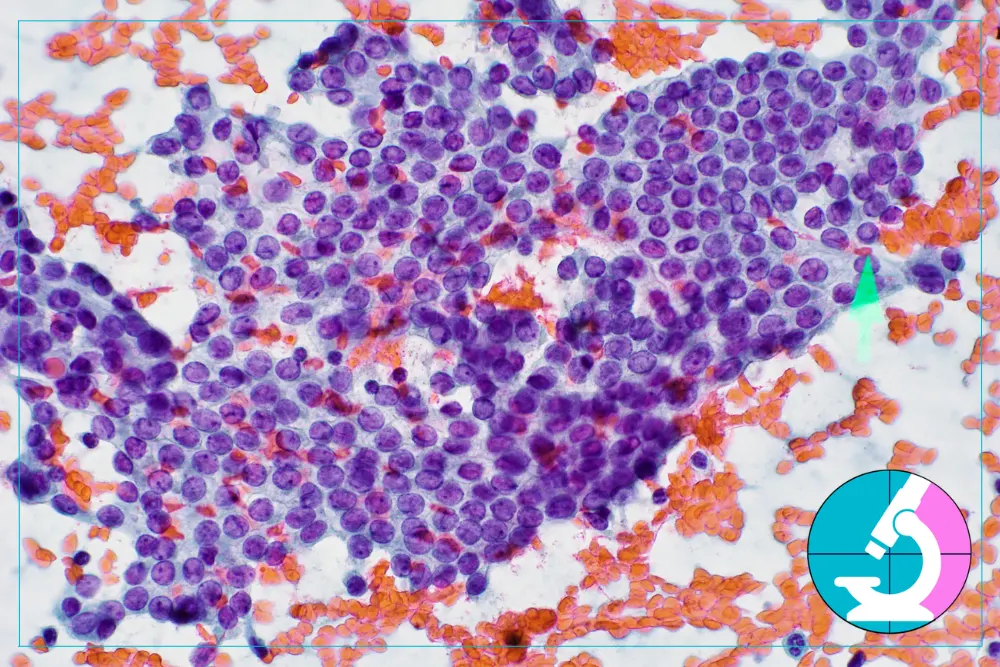
At its most basic level, cancer is uncontrolled cell growth.
Every day, billions of cells throughout your body divide, mature, perform specific functions, and eventually die. This process is tightly regulated by a complex network of signals that tell cells when to grow, when to repair themselves, and when to stop dividing.
Cancer develops when those controls break down.
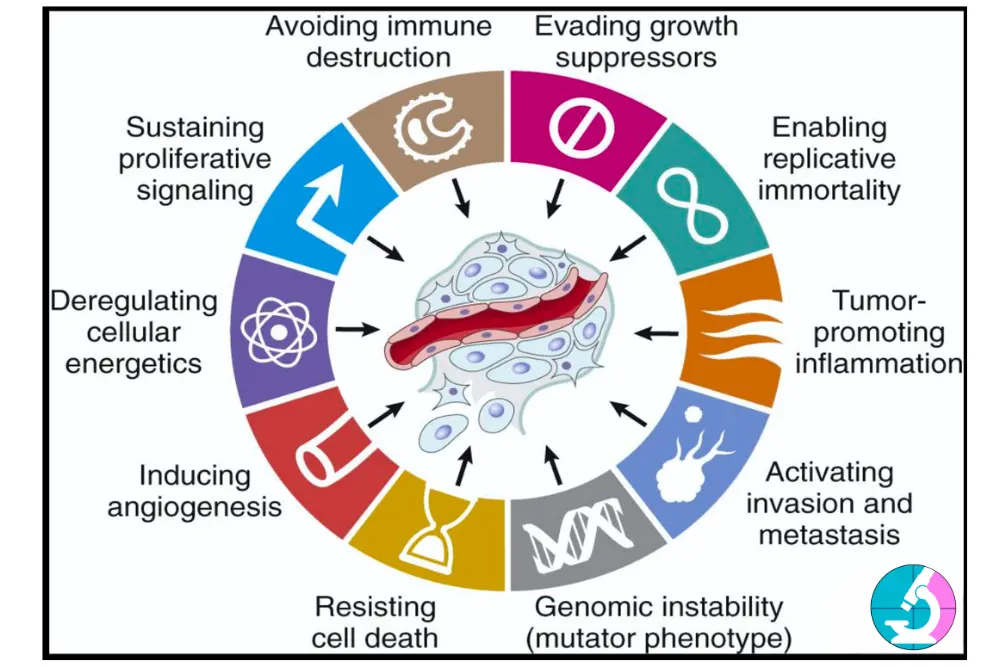
A normal cell acquires genetic changes that allow it to ignore the signals that would normally keep growth in check. Instead of stopping when it should, that cell continues to divide. The abnormal daughter cells inherit the same mutations and continue to multiply.
This process creates what pathologists call a neoplasm, or new growth.
Not all neoplasms are cancerous. Some are benign and remain localized. Others become malignant and acquire the ability to invade surrounding tissues and spread throughout the body.
One of the most important concepts I teach medical students is that cancer almost always begins with a single abnormal cell. Over time, that one cell can give rise to millions or even billions of genetically related cells, or clones, that make up a tumor.
Cancer Does Not Develop Overnight
One of the biggest misconceptions patients have is that cancer appears suddenly.
In reality, most cancers develop over many years.
The process often begins with a genetic mutation that affects how a cell regulates growth, repairs DNA damage, or undergoes programmed cell death. As those abnormal cells continue dividing, additional mutations accumulate.
Each new mutation can provide a small advantage. Some allow cells to grow faster. Others help them survive longer. Eventually, a collection of mutations may enable a cell to invade nearby tissues or spread to distant parts of the body.
I often tell patients that cancer is more like a journey than a single event.
Research suggests that approximately thirty cell divisions may occur before a tumor becomes large enough to produce symptoms or be detected clinically.
This helps explain why many cancers can exist silently for years before they are discovered.
It also explains why screening and early cancer detection are so important.
Benign vs. Malignant Tumors: What’s the Difference?
One of the first questions patients ask after hearing the word “tumor” is whether it means cancer.
The answer is no.
A tumor simply means a “bump”. The next step is determining whether that growth is benign or malignant.
Benign Tumors
Benign tumors generally resemble the tissue from which they originated. They tend to grow slowly, remain localized, and often develop a clear boundary separating them from surrounding tissues.
Most importantly, benign tumors do not metastasize.
Malignant Tumors
Malignant tumors, commonly called cancers, behave differently.
They often grow more rapidly, can lose many of the characteristics of the original tissue, invade surrounding structures, and may spread to distant organs.
Pathologists evaluate these characteristics under the microscope every day.
We look for signs such as abnormal cellular architecture, irregular nuclei, increased cell division, invasion into surrounding tissue, and other features that help distinguish benign growths from malignant ones.
Important Exceptions
Medicine is rarely absolute.
Some cancers grow very slowly and may never spread significantly. Conversely, some benign tumors can still be dangerous depending on where they develop. A benign tumor in the brain, for example, may cause life-threatening problems simply because of its location.
This is why every tumor must be evaluated individually.
How Cancer Spreads Throughout the Body
One of the defining characteristics of cancer is its ability to spread.
This process, known as metastasis, is what makes many cancers potentially life threatening.
For cancer to spread, tumor cells must first break away from their original location. They then invade surrounding tissues, enter lymphatic channels or blood vessels, survive the journey through the circulation, and establish new tumors elsewhere in the body.
This is an incredibly complex process, and fortunately, most abnormal cells never acquire all of the abilities required to complete it.
Common Pathways of Spread
Different cancers tend to spread in different ways.
Carcinomas, which arise from epithelial tissues such as the skin, breast, lung, or colon, often spread through the lymphatic system to regional lymph nodes. Sarcomas, which arise from connective tissues such as bone, fat, or muscle, more commonly spread through the bloodstream.
Understanding these patterns helps physicians stage cancers and plan treatment.
Why Early Detection Saves Lives
One of the most powerful tools in medicine is early detection.
The earlier a cancer is found, the more treatment options are typically available and the better the potential outcome.
Many screening tests are specifically designed to identify disease before symptoms develop.
Examples include:
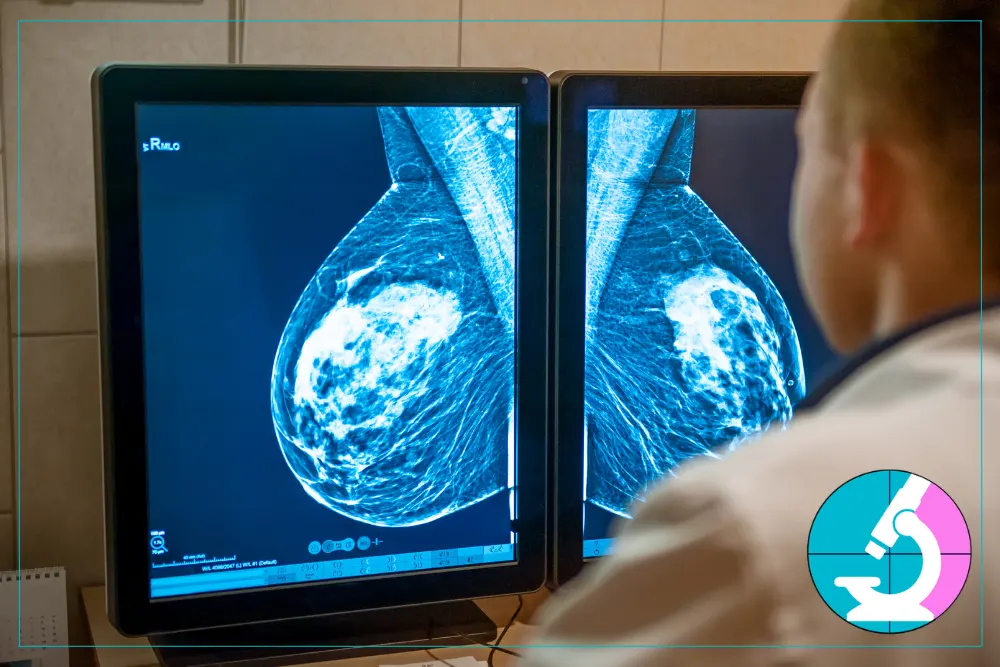
- Breast Cancer Screening: Mammography can identify breast abnormalities long before a patient notices a lump.
- Cervical Cancer Screening: Pap smears can detect precancerous changes before they become invasive cancer.
- Colon Cancer Screening: Colonoscopy can identify and remove precancerous polyps before cancer develops.
- Prostate Cancer Screening: PSA testing combined with DRE can help identify prostate abnormalities that require further evaluation.
Early detection allows physicians to intervene before a cancer becomes advanced, which is why routine screening remains such an important part of preventive care.
Why Biopsies Matter So Much
No matter how sophisticated imaging technology becomes, there is one principle that remains true in medicine:
Tissue is required before a tumor can be identified and classified as benign or malignant with certainty.
A CT or MRI scan can show that a mass exists.
An ultrasound can reveal a thyroid nodule.
A mammogram can identify an abnormality.
But only a biopsy allows us to determine exactly what those cells are doing.
This is where pathology becomes essential.
As a cytopathologist and Fine Needle Aspiration specialist, I devote much of my practice to helping patients obtain answers through minimally invasive biopsy procedures.
During an ultrasound guided Fine Needle Aspiration biopsy, I collect cells directly from the area of concern and evaluate the sample. One advantage of having a cytopathologist perform the procedure is that I can assess the sample’s adequacy in real time, at the patient bedside.
If additional material is needed, I know it while the patient is still in the office.
This process helps reduce delays, improve diagnostic accuracy, and provide patients with answers more quickly.
How Pathologists Determine What Type of Cancer a Patient Has
Making a diagnosis involves much more than determining whether cancer is present.
Pathologists also identify what type of cancer it is, where it originated, and how aggressive it may be.
Grading
Grading evaluates how closely a tumor resembles the normal tissue from which it originated.
Well-differentiated tumors tend to behave less aggressively, while poorly differentiated tumors often grow and spread more rapidly.
Staging
Staging evaluates the extent of disease throughout the body.
In many cancers, staging is the single most important prognostic indicator and helps guide treatment decisions.
Advanced Laboratory Testing
Modern pathology also uses specialized techniques such as immunohistochemistry to identify proteins expressed by tumor cells. This can help determine the tissue of origin when a cancer is difficult to classify and can provide information that influences treatment recommendations.

What I Want Patients to Remember
If there is one message I hope patients take away from this discussion, it is that cancer is not a single disease and it does not develop overnight. There are usually warning signs.
It is the result of complex biological changes that occur over time.
While the science behind cancer can be complicated, the goal remains simple: identify concerning changes early, obtain an accurate diagnosis, and help patients move forward with confidence.
As a cytopathologist, I spend my days helping patients find answers. Most biopsies ultimately reveal benign findings. When they do not, an early and accurate diagnosis provides the best opportunity for successful treatment.
Whether I am teaching medical students about cancer biology or evaluating biopsy samples in my Beverly Hills practice, my goal is the same. I want patients to understand what is happening in their bodies, feel informed about their options, and have access to the answers they deserve.
Knowledge does not eliminate fear completely, but it often replaces uncertainty with understanding. And in medicine, understanding is a powerful place to begin.
View the full PDF presentation here.
FAQs
Yes. Many cancers can be identified through routine screening tests before symptoms develop. Mammograms, Pap smears, colonoscopies, and other screening tools help detect abnormal changes early, when treatment is often most effective.
Imaging studies such as ultrasounds, CT scans, and mammograms can identify suspicious abnormalities, but they cannot definitively determine whether a lesion is cancerous. A biopsy allows a pathologist to examine cells or tissue under a microscope and provide an accurate diagnosis.
A benign tumor is an abnormal growth that remains localized and does not spread to other parts of the body. A malignant tumor, or cancer, has the ability to invade nearby tissues and may spread to distant organs through a process called metastasis.