
Understanding What a TIRADS Score Really Means
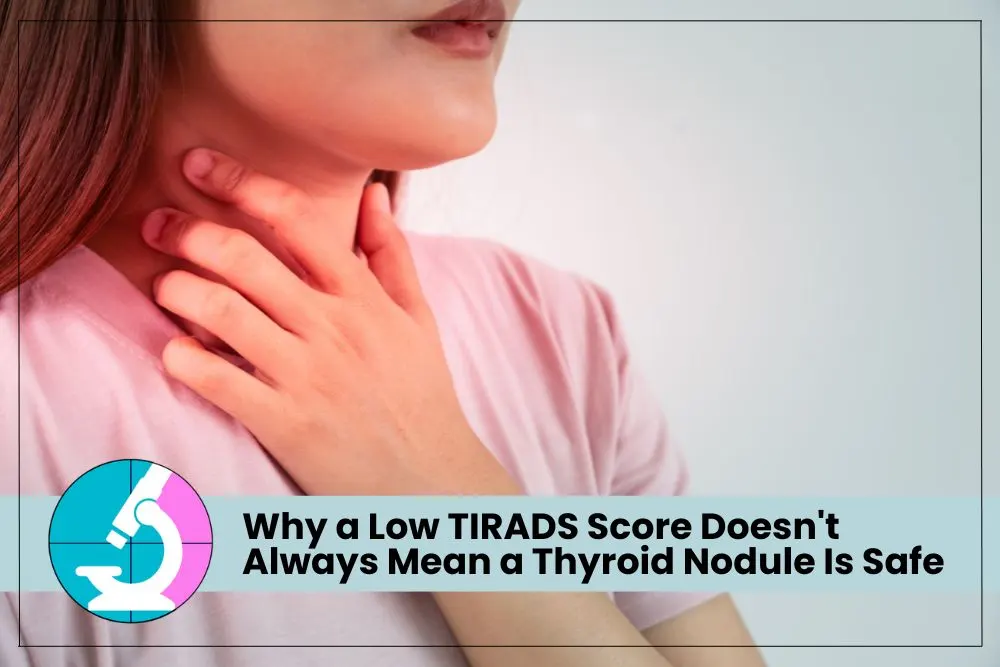
Recently, I evaluated two patients whose thyroid nodules had been classified as TIRADS 3, a category generally considered mildly suspicious and often managed with observation rather than immediate biopsy. Both nodules ultimately proved to be cancer.
Stories like these are not meant to create fear. In fact, TIRADS is an important and valuable tool that helps physicians evaluate thyroid nodules every day. However, these cases highlight an important reality that both patients and providers should understand: a TIRADS score is a guideline, not a diagnosis.
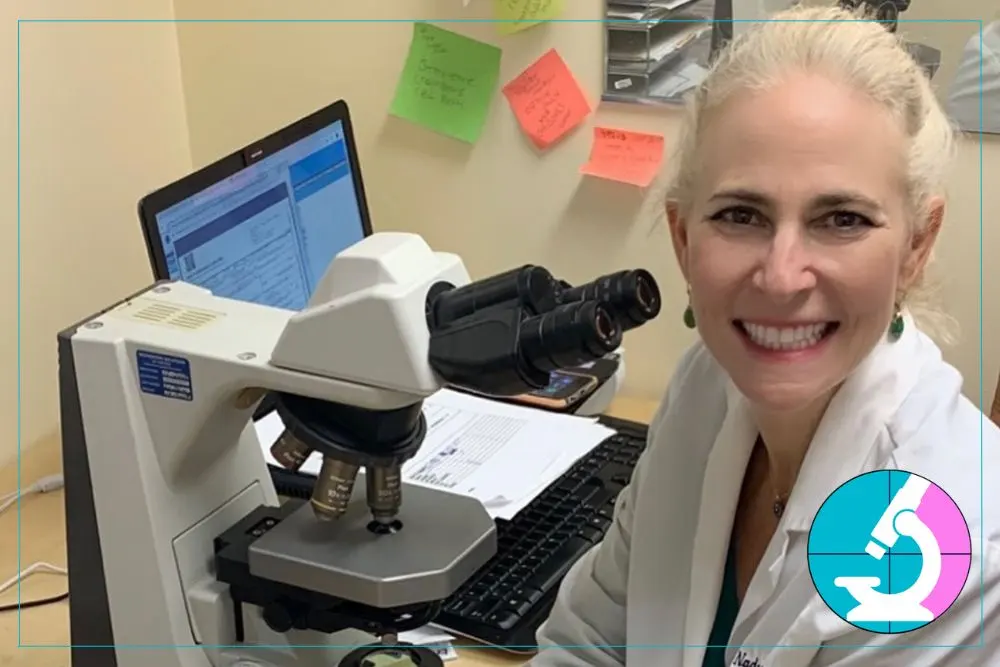
As a cytopathologist and Fine Needle Aspiration specialist, I spend much of my time evaluating thyroid nodules and reviewing ultrasound findings. While TIRADS can provide helpful structure, it is only one piece of the clinical picture. The most important factor is often the careful evaluation of the actual images, not simply the number assigned to a report.
For patients trying to understand how thyroid nodules are evaluated, I also recommend reading my article on understanding TIRADS and thyroid nodule management, which explains how TIRADS scores are commonly used in clinical practice and why nodule size is only one part of the decision-making process.
What Is TIRADS and Why Was It Created?
TIRADS stands for Thyroid Imaging Reporting and Data System. It was developed to create a more standardized way of describing thyroid nodules seen on ultrasound.
Before TIRADS, radiologists often used different terminology and varying approaches when reporting thyroid findings. This inconsistency sometimes made it difficult for referring physicians to determine whether a nodule required follow-up, biopsy, or simple observation.
The Goals of TIRADS
TIRADS was designed to help physicians:
- Standardize ultrasound reporting: A consistent scoring system allows providers to communicate more clearly about thyroid nodules.
- Identify nodules that may need biopsy: Higher scores generally indicate a greater likelihood of malignancy and may warrant further evaluation.
- Reduce unnecessary procedures: Many thyroid nodules are benign, and TIRADS helps avoid biopsies when the risk appears low.
- Guide follow-up recommendations: The system provides monitoring recommendations based on ultrasound characteristics and nodule size.
For many patients, TIRADS helps prevent unnecessary testing while ensuring that higher-risk nodules receive appropriate attention.
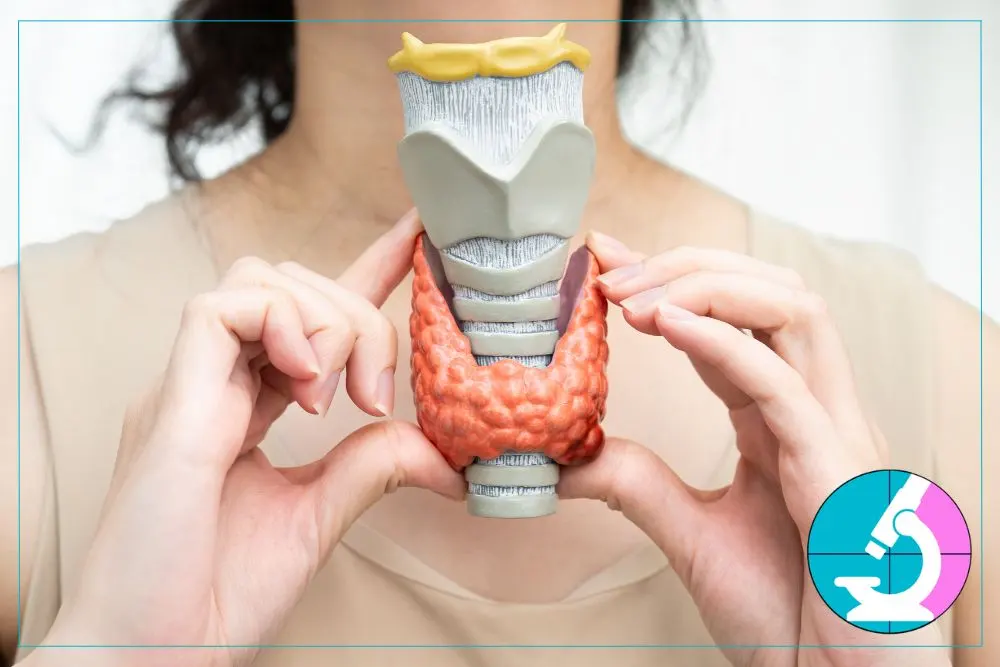
Where TIRADS Provides Real Clinical Value
TIRADS has become widely used because it works well in many situations.
Most thyroid nodules are benign, and the system helps physicians identify which findings are more likely to require further evaluation. Features such as irregular margins, microcalcifications, abnormal shape, and tissue composition can all contribute to a nodule’s score.
Why Physicians Use TIRADS
When used appropriately, TIRADS offers several advantages:
- Provides a structured risk assessment: Physicians can quickly identify nodules that deserve closer attention.
- Creates consistency across healthcare systems: Endocrinologists, surgeons, radiologists, and pathologists often rely on the same reporting framework.
- Supports evidence-based decision making: Recommendations are based on research involving large numbers of thyroid nodules.
- Helps avoid overtreatment: Many patients can safely avoid unnecessary biopsies or procedures.
For these reasons, TIRADS remains an important tool and should not be dismissed. The challenge arises when the score becomes the only factor being considered.
The Limitations of TIRADS Scores
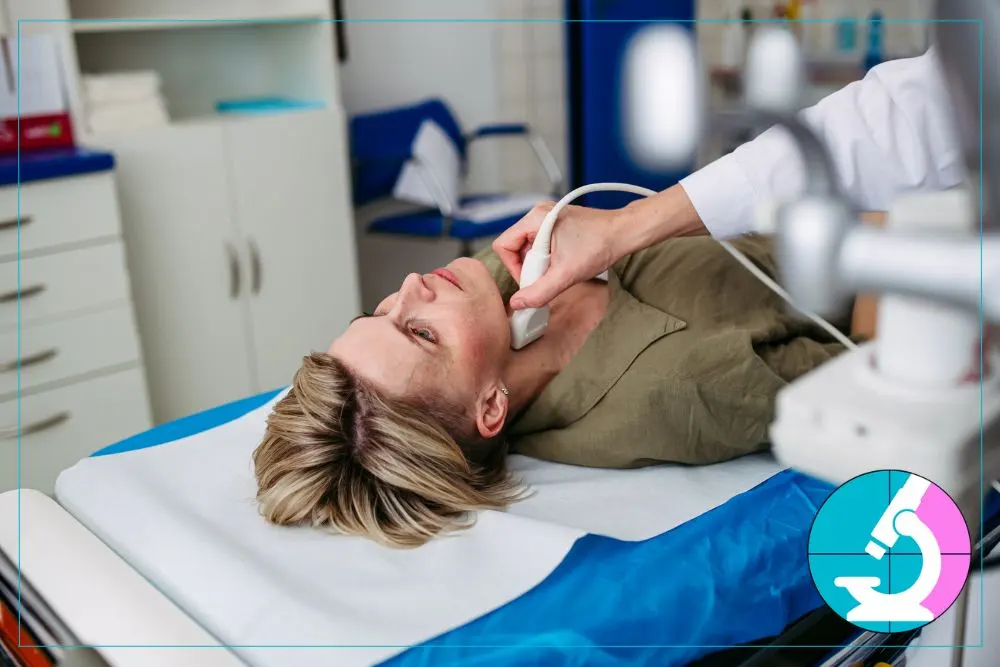
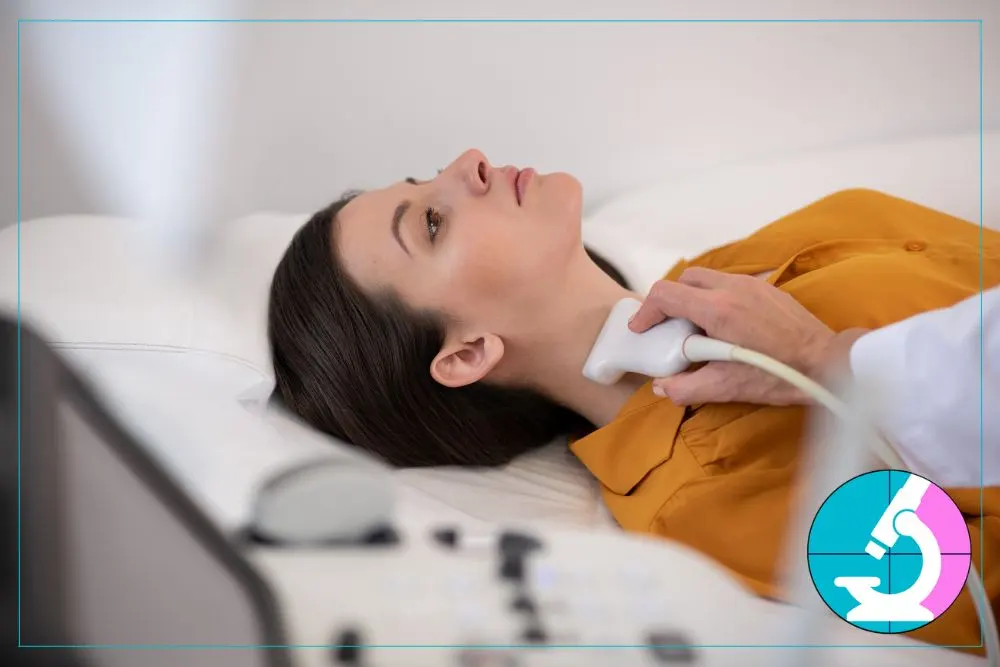
One of the most important things patients should understand is that ultrasound interpretation is not completely objective.
Two highly qualified physicians can review the same ultrasound images and reach different conclusions about a nodule’s characteristics. Features that appear mildly suspicious to one reader may appear more concerning to another.
Also, ultrasonography in the U.S. is usually performed by a technician, and then the images are reviewed by a doctor. The radiologist (doctor) rarely scans the patient themselves.
This is where the limitations of TIRADS become apparent.
The system depends on how the ultrasound findings are interpreted and documented. If the interpretation varies, the resulting score can also vary.
The two recent TIRADS 3 cancers I encountered serve as an important reminder of this reality. On paper, both nodules fell into a category that many physicians would consider relatively low risk. Yet further evaluation revealed malignancy.
The issue was not that TIRADS failed. The issue was that no scoring system can replace clinical judgment and direct image review.
A report provides a summary. The images provide the full story.
Why Looking at the Actual Images Matters
One of the most interesting discussions I recently had at a thyroid conference involved exactly this topic.
An endocrinologist made a point that strongly resonated with me: physicians should not rely solely on the written ultrasound report when making decisions about a thyroid nodule. Whenever possible, they should review the actual images themselves.
I agree completely.
As someone who evaluates thyroid nodules daily, I often find that subtle details become apparent when reviewing the images directly. Factors such as nodule texture, vascular patterns, borders, and overall appearance may influence how concerning a lesion appears.
Important Questions to Consider
When evaluating a thyroid nodule, physicians should consider:
- Does the image truly match the reported TIRADS score?
- Are there features that deserve closer attention?
- Does the ultrasound correlate with the patient’s clinical history?
- Would a biopsy provide useful information despite a lower score?
These questions are difficult to answer when relying only on a report summary.
Direct image review allows physicians to make more individualized recommendations rather than simply following a scoring system.
In some situations, that individualized assessment may lead to a recommendation for a biopsy even when a nodule carries a relatively low TIRADS score. Patients interested in learning more about the procedure can explore how an ultrasound-guided Fine Needle Aspiration biopsy helps physicians obtain diagnostic information directly from a thyroid nodule.
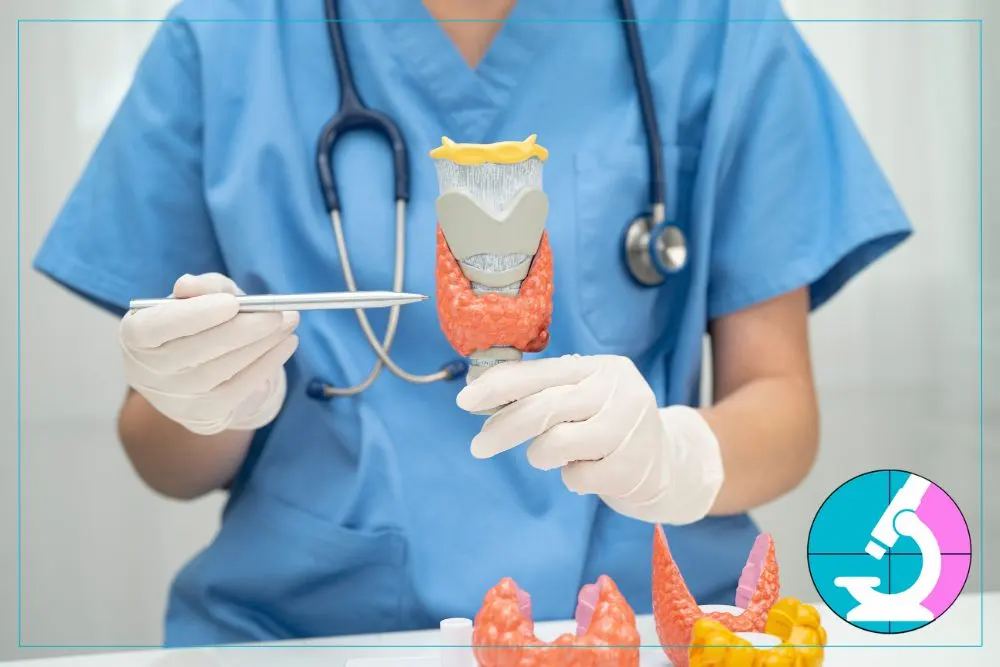
Why Case-by-Case Evaluation Remains Essential
No two patients are exactly alike.
A thyroid nodule is evaluated in the context of a person’s age, medical history, symptoms, family history, physical examination findings, and imaging studies. All of these factors contribute to clinical decision-making.
This is why I approach each thyroid nodule individually.
A low TIRADS score does not automatically mean a nodule is harmless. Likewise, a higher score does not guarantee cancer. The goal is to evaluate the complete picture rather than focusing on a single number.
In some cases, a biopsy may be appropriate even when a nodule appears relatively low risk on paper. In other situations, observation may remain the best choice.
When a biopsy is recommended, the technique also matters. Fine Needle Aspiration remains the standard first-line diagnostic approach for most thyroid nodules because it provides excellent diagnostic information while minimizing risk. Patients can learn more about the differences between biopsy approaches in my article on thyroid core biopsy vs. Fine Needle Aspiration.
The key is making a decision based on all available information.
What This Means for Patients
For patients, the takeaway is simple.
TIRADS is a useful tool, but it should not be viewed as the final word on a thyroid nodule.
Who reads your ultrasound matters. Experience matters. Reviewing the actual images matters.
If you have questions about a thyroid nodule or if you feel uncertain about a recommendation, seeking a second opinion is entirely reasonable. Another experienced physician may identify findings that deserve closer evaluation or provide reassurance that observation is appropriate.
As someone who specializes in thyroid Fine Needle Aspiration biopsy and thyroid nodule evaluation, I believe every patient deserves an individualized assessment that goes beyond a score on a report.
Most thyroid nodules are benign. However, as those two recent TIRADS 3 cancer cases reminded me, sometimes the most important information comes from looking beyond the number.
FAQs
If you have concerns about your diagnosis or treatment recommendations, seeking a second opinion is reasonable. An experienced physician who reviews the actual ultrasound images may provide additional insight beyond the written report.
Yes. Ultrasound interpretation can vary among readers, so the same nodule may receive different scores depending on how its features are assessed.
No. TIRADS 3 indicates a mildly suspicious nodule with a relatively low risk of malignancy, but it does not guarantee that the nodule is benign. Clinical judgment and individual evaluation remain important.