


The Steps to Getting a Correct Cancer Diagnosis with the Right Biopsy Doctor
Hearing that you may need a biopsy can feel overwhelming. For many patients, the process begins with discovering a lump, noticing a change in their body, or receiving unexpected imaging results. The next step is understanding what that finding represents and whether further evaluation is needed.
The steps to getting a correct cancer diagnosis depend on choosing the right biopsy method and working with a physician who can obtain accurate samples. Without proper evaluation, patients may face delays, inconclusive results, or unnecessary procedures.
Fine Needle Aspiration is one of the most effective methods for evaluating suspicious lumps and nodules. It is minimally invasive, allowing physicians to collect cells for analysis without surgery. Patients who want to understand their options can explore minimally invasive biopsy options.
Taking the right steps early can make a meaningful difference in both timing and accuracy.
Recognizing When You Need the Best Biopsy Options for a Lump
The first step toward a correct diagnosis is recognizing when a lump or abnormality requires medical evaluation. Not every lump is cancerous, but knowing when to seek care is important.
Some common signs that a biopsy may be recommended include:
- A new or growing lump
Any lump that continues to grow or does not resolve should be evaluated by a physician. - Changes in texture or firmness
Lumps that feel hard, irregular, or different from surrounding tissue may require further investigation. - Persistent swelling or discomfort
Ongoing swelling, especially in the neck, breast, or lymph node areas, can signal the need for diagnostic testing. - Abnormal findings on imaging
Ultrasound, CT scans, or other imaging studies may reveal areas that require biopsy for clarification.
Recognizing these signs early allows patients to move forward with diagnostic testing before conditions progress.
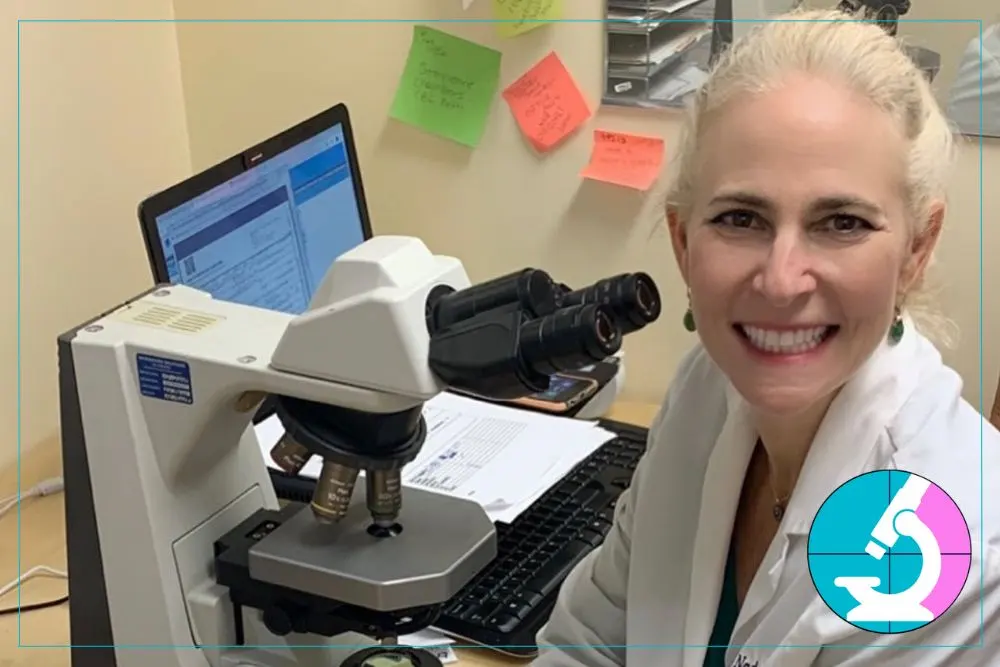
Choosing the Right Cancer Biopsy Doctor in Los Angeles
Selecting the right physician is one of the most important steps in obtaining an accurate diagnosis. Not all biopsy techniques are the same, and the experience of the doctor performing the procedure can directly influence the outcome.
A cancer biopsy doctor in Los Angeles who specializes in Fine Needle Aspiration focuses on precise sampling, which is essential for accurate pathology results. Proper technique helps reduce inconclusive findings and limits the need for repeat procedures.
Patients throughout Southern California often seek specialists who focus on FNA biopsy because of its efficiency and reliability. When performed by a skilled physician, the procedure can provide clear answers quickly.
Patients can also learn more about the diagnostic process and learn about cancer diagnosis and treatment.
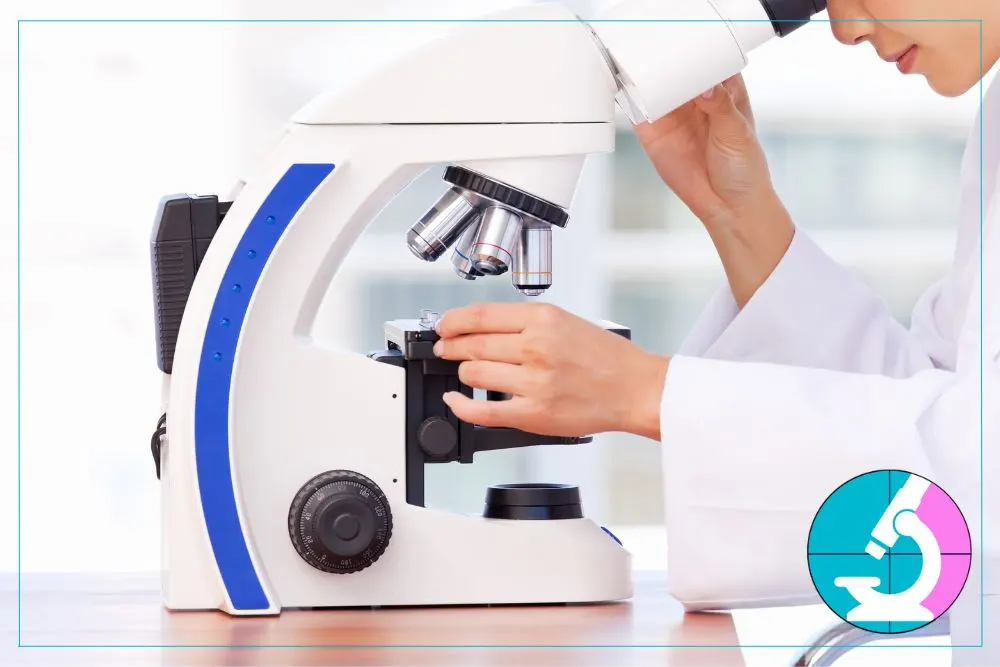
The Role of FNA Biopsy in the Steps to Getting a Correct Cancer Diagnosis
Fine Needle Aspiration plays a central role in evaluating many types of lumps and nodules. It allows physicians to obtain cellular samples quickly while avoiding more invasive procedures.
The process of FNA biopsy typically includes:
- Ultrasound-guided targeting
Imaging is used to identify the most appropriate area for sampling and guide accurate needle placement. - Cell sample collection
A thin needle collects cells from the suspicious area with minimal discomfort. - Immediate assessment of sample quality
In specialized settings, the physician may confirm that adequate cells have been collected during the procedure. - Pathology review and diagnosis
The collected cells are analyzed to determine whether findings are benign, suspicious, or malignant.
Because this process is efficient and minimally invasive, it is often the first step in evaluating potential cancer.
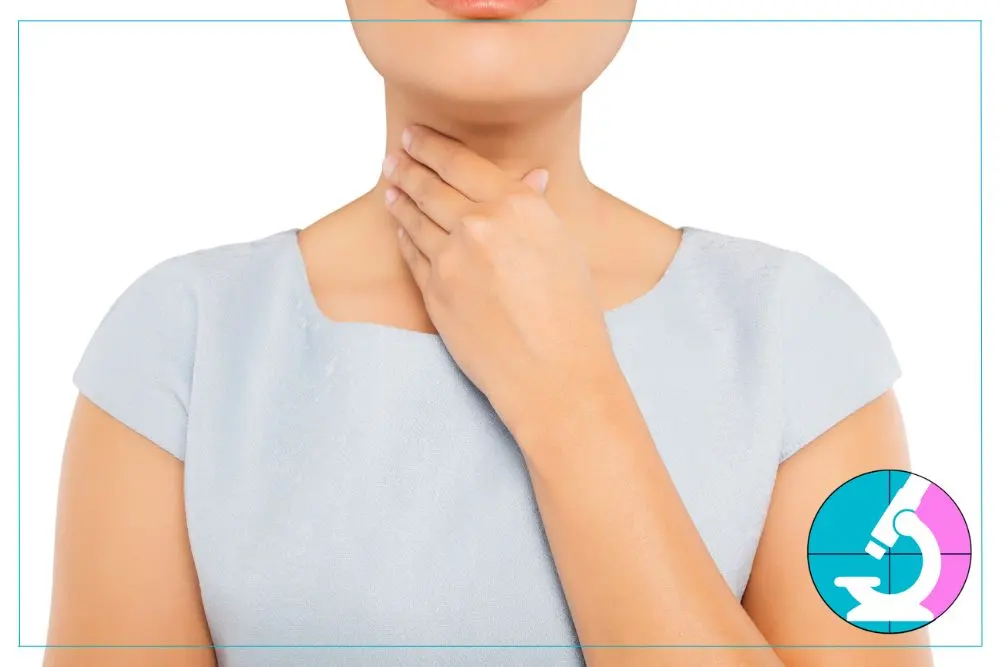
How Different Types of Biopsies Affect Diagnostic Accuracy
There are several types of biopsies used to evaluate suspicious findings, and each has a specific role. Choosing the right method depends on the location, size, and characteristics of the lump.
Fine Needle Aspiration is often preferred as an initial diagnostic tool because it provides cellular information quickly and with minimal risk. Core needle biopsy removes a larger tissue sample and may be used when additional structural detail is needed.
For breast-related concerns, biopsy techniques vary depending on the type of mass being evaluated. Patients can learn more by reviewing breast biopsy insights.
Lymph node evaluation is another area where biopsy is important. Enlarged lymph nodes can result from infection, inflammation, or malignancy. Patients can learn more about when swollen lymph nodes require evaluation.
Choosing the appropriate biopsy method helps ensure accurate results and avoids unnecessary delays.
Why Proper Sampling Is Critical for Accurate Cancer Diagnosis
One of the most important factors in achieving a correct diagnosis is obtaining an adequate sample during the biopsy. Even advanced pathology techniques cannot compensate for poor sampling.
Proper sampling ensures that the collected cells represent the true nature of the lesion. Without this, results may be inconclusive or misleading.
Several factors influence sampling quality:
- Precision in needle placement
Targeting the correct area ensures diagnostic cells are collected. - Adequate number of samples
Collecting multiple samples increases the likelihood of sufficient cellular material. - Experience of the biopsy doctor
Physicians who specialize in FNA biopsy are more consistent in obtaining high-quality samples. - Careful handling of collected cells
Proper slide preparation preserves cellular detail for accurate analysis.
These factors highlight why choosing an experienced FNA doctor is essential.

Contact a Cancer Biopsy Doctor in Los Angeles for Expert Evaluation
Getting the right diagnosis starts with the right doctor. If you’ve discovered a lump or need a second opinion, connect with a trusted cancer biopsy doctor in Los Angeles today.
FAQs
Look for a physician with experience in the specific biopsy technique you need, especially one who specializes in Fine Needle Aspiration.
If results are inconclusive, the physician may recommend a repeat biopsy, additional imaging, or alternative testing.
Yes. A biopsy allows pathologists to examine cells and determine whether cancer is present.
FNA biopsy is minimally invasive, efficient, and provides reliable cellular information, making it a preferred initial diagnostic method.
The first steps include recognizing symptoms, seeking medical evaluation, and undergoing appropriate diagnostic testing such as imaging and biopsy.