
What Is a Thyroid Fine Needle Aspiration Biopsy?
Hearing that you need a thyroid biopsy can be unsettling. For many patients, the recommendation comes after a thyroid nodule is discovered during a routine physical exam, an ultrasound, or another imaging study. It’s natural to wonder what the procedure involves, whether it will be painful, and what the results might mean.
The good news is that a thyroid fine needle aspiration biopsy, often called an FNA biopsy, is a simple, minimally invasive procedure that has become the gold standard for evaluating thyroid nodules. It provides physicians with the information they need to determine whether a nodule is benign or whether additional treatment should be considered.
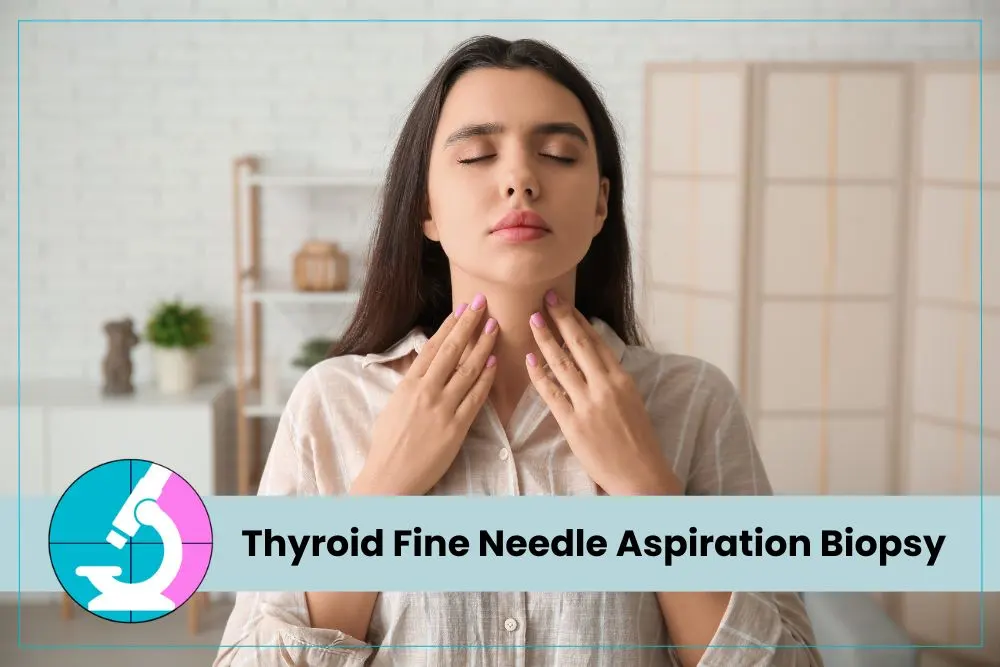
A thyroid fine needle aspiration (FNA) biopsy uses a very thin needle to collect cells from a thyroid nodule for examination under a microscope. This procedure is explained in full on our FNA biopsy page.
As both the physician performing the biopsy and the board-certified cytopathologist interpreting the results, I have the opportunity to oversee every step of the diagnostic process. That continuity helps provide patients with accurate answers quickly while reducing unnecessary delays and repeat procedures.
Why Thyroid Fine Needle Aspiration Is the Gold Standard
Not every thyroid nodule needs surgery.
In fact, most thyroid nodules are benign and can be safely monitored over time. The challenge is determining which nodules require treatment and which do not.
This is where Fine Needle Aspiration plays such an important role.
Unlike imaging studies alone, FNA allows physicians to examine the actual cells within a thyroid nodule. This provides far more diagnostic information than ultrasound or blood work alone.
Why Physicians Recommend FNA
There are several reasons Fine Needle Aspiration has become the preferred first-line test for thyroid nodules.
- Minimally invasive
FNA uses a very thin needle, resulting in little discomfort and virtually no recovery time. - Performed in the office
Most procedures are completed during a single office visit without sedation or hospitalization. - Highly accurate
When performed by an experienced physician and interpreted by a cytopathologist, FNA provides excellent diagnostic accuracy. - Helps avoid unnecessary surgery
Many benign nodules can be safely monitored once biopsy confirms they are not cancerous.
FNA is the gold standard for evaluating thyroid nodules because it is fast, minimally invasive, performed in-office, and provides results within 24 hours in most cases.
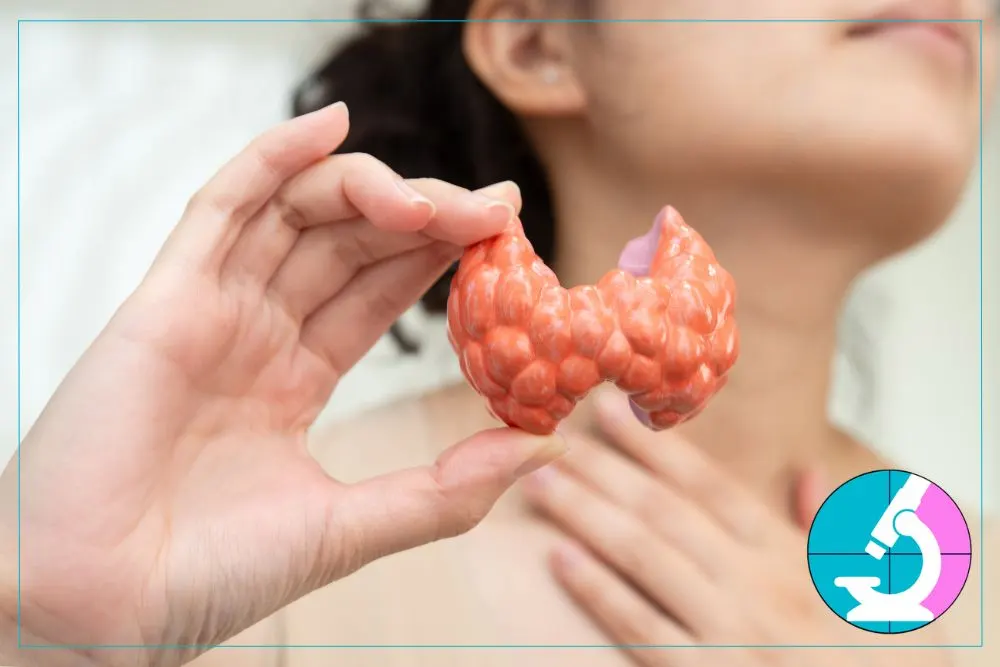
When Is a Thyroid FNA Biopsy Recommended?
Not every thyroid nodule requires a biopsy.
Your physician considers several factors before recommending Fine Needle Aspiration, including the appearance of the nodule on ultrasound, its size, your medical history, and any associated symptoms.
Some nodules have ultrasound features that appear reassuring and simply require monitoring. Others exhibit characteristics that warrant additional evaluation.
Common Reasons for an FNA Biopsy
A Fine Needle Aspiration biopsy may be recommended when:
- A thyroid nodule meets biopsy criteria on ultrasound
Features such as irregular borders, calcifications, or increased vascularity may increase concern. - A nodule continues to grow
Significant growth over time may warrant further evaluation. - There is a personal or family history of thyroid cancer
Individual risk factors are always considered during decision-making. - Symptoms develop
Difficulty swallowing, voice changes, or neck pressure may prompt additional evaluation.
The decision to perform a biopsy is always individualized and based on the complete clinical picture rather than any single finding.
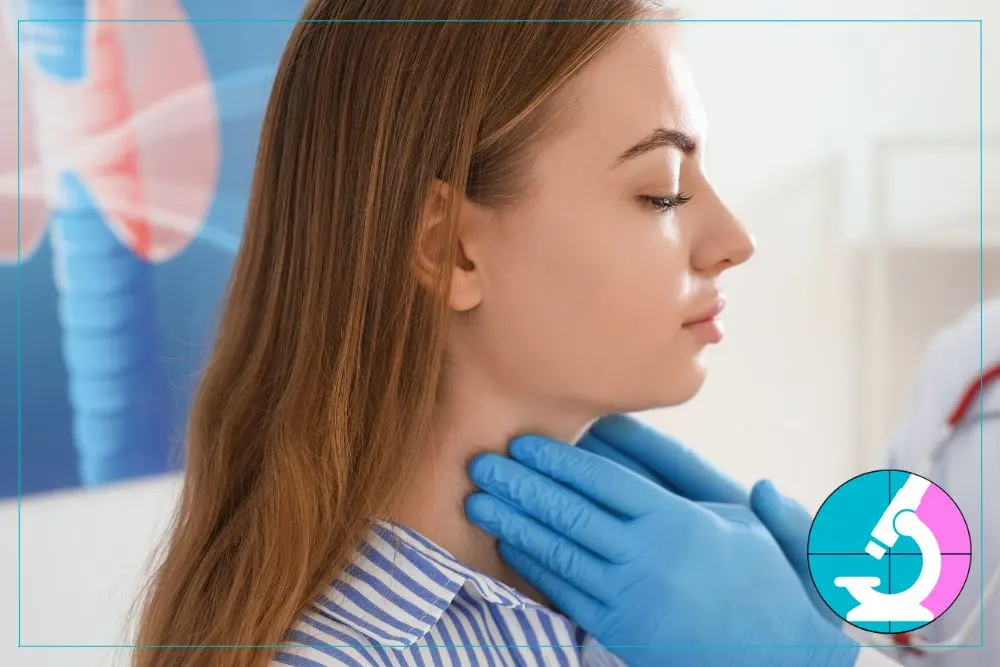
What Happens During a Thyroid Fine Needle Aspiration Biopsy?
One of the most common concerns I hear is whether the biopsy will be painful or complicated.
Fortunately, most patients are pleasantly surprised by how straightforward the procedure actually is.
The biopsy begins with a detailed ultrasound examination to evaluate the thyroid nodule and identify the most appropriate sampling area.
Using real-time ultrasound guidance, I carefully insert a very thin needle into the nodule and collect a small number of cells for microscopic evaluation. Because the needle is extremely small, most patients describe the sensation as similar to having blood drawn.
The procedure usually takes only a few minutes.
After the biopsy, patients are typically able to return to work, drive home, and resume normal activities without restrictions.
One of the advantages of my practice is that I perform Rapid On-Site Evaluation (ROSE). Rather than sending the specimen away without knowing whether enough cells were collected, I evaluate the sample immediately during the procedure.
If additional material is needed, I know it while you are still in the office.
This helps reduce non-diagnostic biopsies and provides patients with greater confidence that an adequate sample has been obtained the first time.
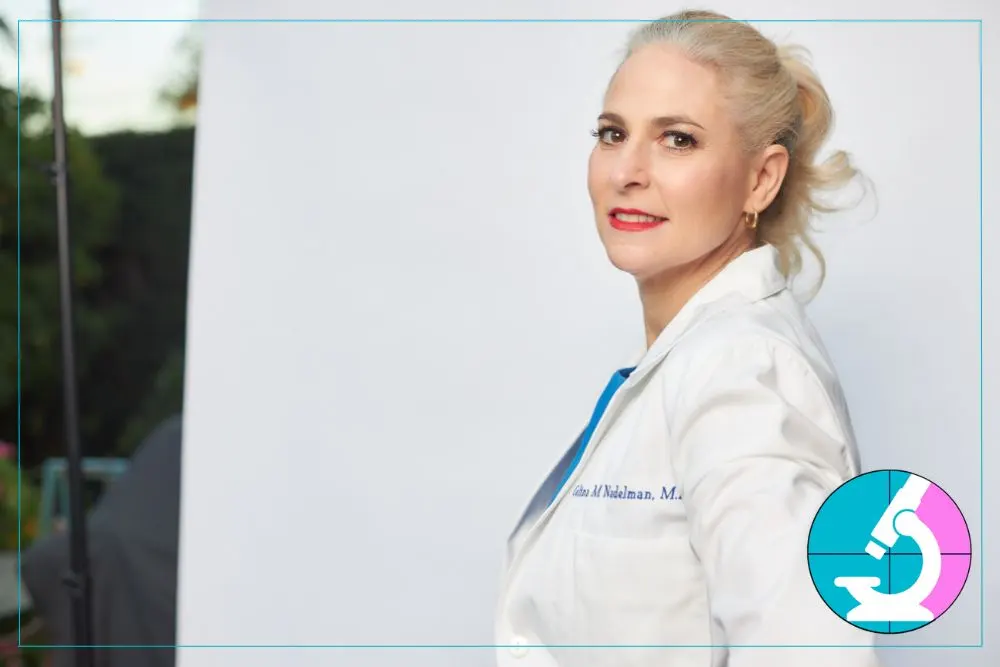
Why Dr. Nadelman’s Dual Role Improves Thyroid FNA Biopsy Accuracy
One of the biggest differences between my practice and many others is that I perform both parts of the diagnostic process.
In many healthcare settings, one physician performs the biopsy while a completely different physician reviews the specimen several days later in a pathology laboratory. Although this is a common approach, it introduces multiple handoffs into the diagnostic process.
My practice works differently.
Dr. Nadelman uniquely performs both aspiration and cytopathology interpretation herself, eliminating handoff delays that can slow diagnosis at other practices. You can learn more about my approach on our thyroid cancer and biopsy page.
Because I review the ultrasound before performing the biopsy, I can identify the most appropriate areas to sample rather than relying solely on a written report. Then, as I evaluate the specimen during the procedure, I can immediately determine whether enough diagnostic material has been collected.
This continuity offers several important benefits.
Advantages of a Dual-Role Approach
- Greater diagnostic accuracy
The physician collecting the specimen is also the physician interpreting the cells, creating consistency throughout the process. - Rapid On-Site Evaluation (ROSE)
Sample adequacy is confirmed immediately, helping reduce the likelihood of non-diagnostic results. - Faster answers
Preliminary biopsy results are typically available within 24 hours, reducing the anxiety that often comes with waiting. - Fewer repeat procedures
Immediate specimen evaluation helps ensure enough diagnostic material has been collected before the patient leaves the office.
This integrated approach is one of the reasons physicians throughout Southern California refer patients to my practice for thyroid Fine Needle Aspiration biopsy.
What Happens After Your Thyroid FNA Biopsy?
Once the biopsy is complete, most patients return to their normal routine immediately.
You may experience mild tenderness at the biopsy site for a day or two, but significant discomfort is uncommon.
The biopsy specimen is then carefully evaluated to determine whether the thyroid nodule is benign, suspicious, malignant, or requires additional evaluation.
Most patients receive one of several possible results.
A benign result often means the nodule can simply be monitored with periodic ultrasound examinations.
If the findings are suspicious or malignant, your physician will discuss the most appropriate treatment plan.
Occasionally, a biopsy may be classified as indeterminate or non-diagnostic. While these results can understandably cause anxiety, they do not automatically mean cancer is present. They simply indicate that additional information may be needed before a definitive diagnosis can be made.
Throughout this process, my goal is to provide patients with clear explanations rather than simply handing them a pathology report filled with unfamiliar medical terminology.
Understanding your diagnosis is just as important as making it.
Why Patients Choose Dr. Nadelman for Fine Needle Aspiration in Beverly Hills
Choosing where to have a thyroid biopsy performed is an important decision.
Patients often focus on the procedure itself, but the physician’s experience in performing the biopsy and interpreting the results can significantly affect the quality of the diagnosis.
As a board-certified cytopathologist specializing exclusively in Fine Needle Aspiration, I have dedicated my practice to helping patients receive timely, accurate answers while avoiding unnecessary procedures whenever possible.
Many patients travel from throughout Southern California because they appreciate the ability to receive personalized care, next-day appointments, and preliminary biopsy results within 24 hours.
They also appreciate knowing that one physician is responsible for every stage of the diagnostic process, from reviewing the ultrasound to performing the biopsy to interpreting the specimen.
If you’re considering a thyroid biopsy, I encourage you to take the time to understand not only the procedure itself but also who will perform it and how your results will be interpreted.
You can also read what other patients have shared about their experience with Dr. Nadelman’s FNA process on our testimonials page.
Contact Dr. Nadelman for a Thyroid Fine Needle Aspiration Biopsy
Have a thyroid nodule that needs evaluation? Contact Dr. Nadelman to schedule a fine needle aspiration biopsy in Beverly Hills, with next-day availability.
FAQs
Having the same physician perform your biopsy and interpret the results provides greater continuity throughout the diagnostic process. Dr. Nadelman’s dual role allows her to perform Rapid On-Site Evaluation (ROSE), confirm specimen adequacy during the procedure, and provide a more streamlined and accurate diagnostic experience.
Not necessarily. Most thyroid nodules are benign and do not require surgery. The purpose of the biopsy is to determine whether a nodule can be safely monitored or whether additional treatment should be considered.
At Dr. Celina Nadelman’s practice, preliminary biopsy results are typically available within 24 hours. This faster turnaround helps reduce the stress and uncertainty that often comes with waiting for answers.
Fine Needle Aspiration is considered the gold standard for evaluating thyroid nodules. When performed by an experienced physician and interpreted by a board-certified cytopathologist, it provides highly accurate diagnostic information while avoiding unnecessary surgery for many patients.
Most patients experience very little discomfort during a thyroid Fine Needle Aspiration biopsy. Because the procedure uses a very thin needle, many people compare it to having blood drawn. The biopsy is typically completed within a few minutes, and patients can usually return to normal activities immediately afterward.