
Thyroid Cancer Awareness Month Is a Reminder to Pay Attention to Your Thyroid
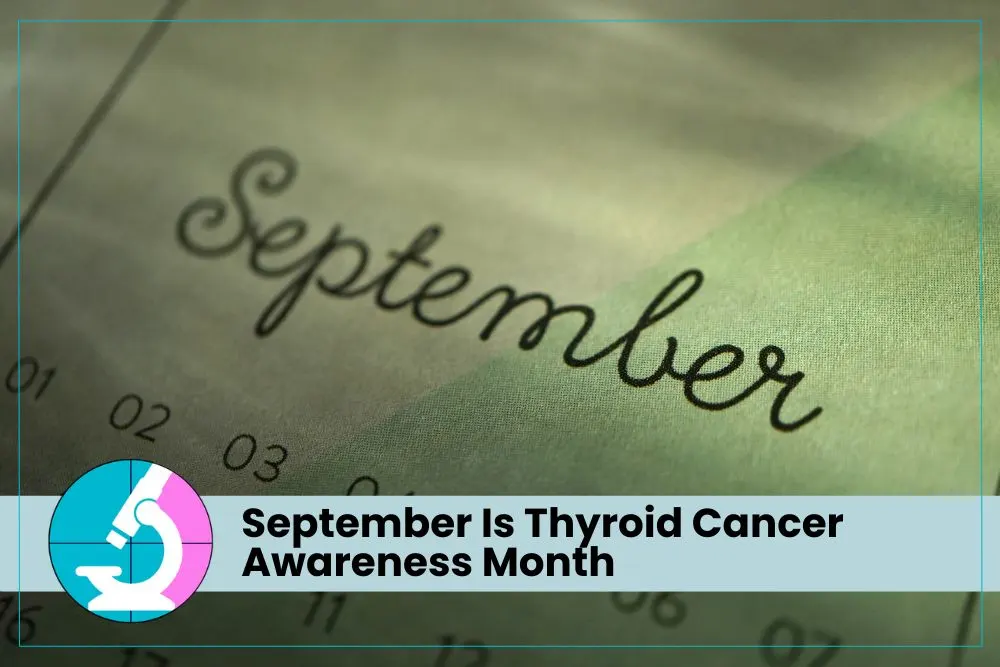
September is Thyroid Cancer Awareness Month, and for me, it is an important opportunity to talk about something I see every day: thyroid nodules are common, but knowing when one deserves a closer look matters.
Most thyroid nodules are benign. Finding a nodule does not mean you have thyroid cancer, and I never want patients to approach an evaluation assuming the worst. At the same time, thyroid cancer can be present without obvious symptoms, which is why appropriate evaluation and early detection are so valuable.
September marks Thyroid Cancer Awareness Month, a time to highlight the importance of early detection and routine evaluation for thyroid nodules. You can learn more about how these nodules are diagnosed on my thyroid cancer and biopsy page.
As a board certified cytopathologist and Fine Needle Aspiration specialist, I work with patients who often come to my Beverly Hills practice with the same basic question: “How do I know if this nodule is something I need to worry about?”
The answer usually begins with understanding the nodule itself. Ultrasound findings, changes over time, symptoms, medical history, and sometimes a thyroid biopsy all help us decide what should happen next.
Thyroid Cancer Awareness Month is not about making everyone with a thyroid nodule nervous. It is about knowing what to look for, asking the right questions, and getting answers when an evaluation is warranted.
Thyroid Cancer Awareness Starts With Understanding Thyroid Nodules
Thyroid nodules are growths that develop within the thyroid gland, a small gland located at the front of the neck. They are extremely common, and many people have nodules without ever knowing it.
Some are discovered during a routine physical examination. Others are found incidentally during an ultrasound, CT scan, MRI, or another imaging study performed for an unrelated reason.
Most nodules do not cause symptoms and are not cancerous. However, certain changes should prompt a closer evaluation.
Thyroid Nodule Changes Worth Discussing With Your Doctor
- A new or growing thyroid nodule
A newly discovered nodule or one that has changed significantly over time should be reviewed in the context of its ultrasound appearance and your medical history. - Persistent neck pressure or swallowing changes
A larger thyroid nodule may create pressure in the neck or make swallowing feel different. These symptoms do not necessarily indicate cancer, but they deserve evaluation. - Voice changes or persistent hoarseness
Changes in your voice can have many causes. When they occur along with a thyroid mass or other neck symptoms, your physician may recommend additional testing. - A lump or enlarged lymph node in the neck
Swollen lymph nodes are common and often related to infection or inflammation, but persistent or unusual lymph node enlargement may require evaluation. You can learn more about swollen lymph nodes and when biopsy may be appropriate.
The important thing is not to diagnose yourself based on a symptom. Instead, bring the changes to the attention of a physician who can consider the entire clinical picture.

Thyroid Fine Needle Aspiration Biopsy and Early Thyroid Cancer Detection
When a thyroid nodule needs more information than an ultrasound can provide, Fine Needle Aspiration is often the next step.
Thyroid cancer is highly treatable when caught early, and fine needle aspiration remains a fast and accurate way to evaluate a suspicious nodule. My FNA biopsy page walks patients through what to expect before, during, and after the procedure.
A Thyroid Fine Needle Aspiration Biopsy uses a very thin needle to collect cells directly from a nodule. Those cells are then examined under a microscope to determine whether they appear benign, suspicious, malignant, or require further evaluation.
Why FNA Is So Useful for Thyroid Nodules
- It provides cellular information
Ultrasound tells us what a nodule looks like. FNA allows a cytopathologist to examine the cells within the nodule. - It is minimally invasive
Fine Needle Aspiration does not require surgery or general anesthesia. Most patients are able to return to their normal activities immediately afterward. - It can help patients avoid unnecessary surgery
Because most thyroid nodules are benign, obtaining a clear diagnosis can prevent patients from undergoing unnecessary surgery. - It helps guide the next step
Results can help determine whether a nodule should be monitored, evaluated further, or treated.
For me, the biopsy is not simply about collecting cells. It is about obtaining the right cells from the correct part of the nodule and ensuring there is sufficient material to yield a meaningful answer.
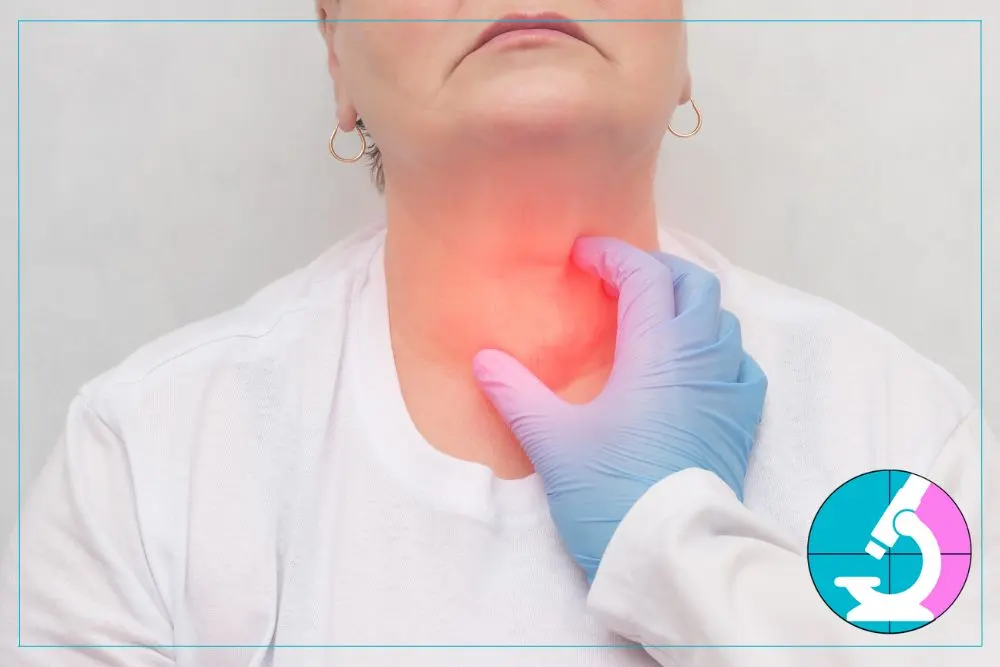
Why Your FNA Thyroid Doctor Matters During Thyroid Cancer Awareness Month
One of the messages I want to emphasize during Thyroid Cancer Awareness Month is that the quality of a thyroid biopsy depends on more than the needle.
Who performs the biopsy matters. Who evaluates the cells matters. How the ultrasound is interpreted matters.
In many healthcare settings, a radiologist or another physician performs the biopsy and sends the specimen to a separate pathology laboratory. The pathologist may never see the patient, perform the ultrasound, or know exactly which portion of the nodule was sampled.
My practice is structured differently.
I am both the physician performing the Fine Needle Aspiration and the cytopathologist evaluating the specimen. I review the ultrasound, perform the biopsy, and examine the cells. This provides continuity from the initial evaluation to the microscopic interpretation.
I also use Rapid On Site Evaluation, or ROSE, to assess the specimen while the patient is still in the office. If I need additional cellular material, I know immediately rather than discovering days later that the sample was inadequate.
That matters to patients because nobody wants to repeat a thyroid biopsy unnecessarily.
It also helps me provide preliminary results within 24 hours in most cases. Waiting for biopsy results can be one of the hardest parts of the experience, and reducing that wait can make a meaningful difference for patients and their families.
You can learn more about my background and approach as a Fine Needle Aspiration specialist and cytopathologist.
What Thyroid Biopsy Results Can Tell You About a Nodule
A thyroid biopsy does not always produce a simple “cancer” or “no cancer” answer. Thyroid cytopathology is more nuanced than that, and understanding the possible outcomes can make receiving your results less confusing.
Thyroid FNA findings are generally classified using established diagnostic categories to help physicians determine the next steps.
Common Thyroid Biopsy Results Include
- Benign findings
This is the outcome for many thyroid nodules. Depending on the ultrasound findings and clinical history, a benign nodule may simply require continued monitoring. - Indeterminate or atypical findings
Sometimes cells have changes that prevent us from confidently calling the nodule benign or malignant. A repeat biopsy, molecular testing, or another form of evaluation may be appropriate. - Suspicious findings
Certain cellular features can raise significant concern for malignancy even when the sample does not meet every criterion for a definitive cancer diagnosis. - Malignant findings
When cancerous cells are identified, the biopsy helps guide referrals and the next stage of treatment planning. - Non-diagnostic findings
Occasionally, a specimen does not contain enough appropriate cellular material for a reliable interpretation. Proper sampling and immediate evaluation of specimen adequacy can help reduce this outcome.
The terminology can sound intimidating when you first read a pathology report. Part of my job is helping patients understand what those words actually mean and what, if anything, needs to happen next.

Thyroid Cancer Awareness Means Knowing When to Seek a Thyroid Nodule Biopsy
Awareness is most useful when it leads to informed action rather than fear.
You do not need to assume that every thyroid nodule requires a biopsy. You also should not assume that a nodule can be ignored simply because it does not hurt or cause symptoms.
The right decision depends on the individual patient.
When evaluating whether a thyroid nodule needs further testing, I look at factors such as:
- The ultrasound appearance of the nodule
Size matters, but so do characteristics such as margins, shape, composition, and other imaging findings. - Changes over time
A stable nodule may be approached differently from one that is growing or changing in appearance. - Personal and family history
Previous radiation exposure, family history, and other individual risk factors may influence how a thyroid nodule is evaluated. - Symptoms and physical findings
New neck pressure, changes in swallowing, voice changes, or concerning lymph nodes may provide important clinical context.
This is why I believe thyroid nodule evaluation should remain personal. Guidelines and scoring systems are useful, but patients are not numbers on a report.
If you have a thyroid nodule and are unsure what your findings mean, it is reasonable to ask for another evaluation. Sometimes reassurance is exactly what a patient needs. Other times, a closer look reveals a reason to proceed with Fine Needle Aspiration.
Thyroid Cancer Awareness Month gives us a good reason to have these conversations, but they matter year-round.
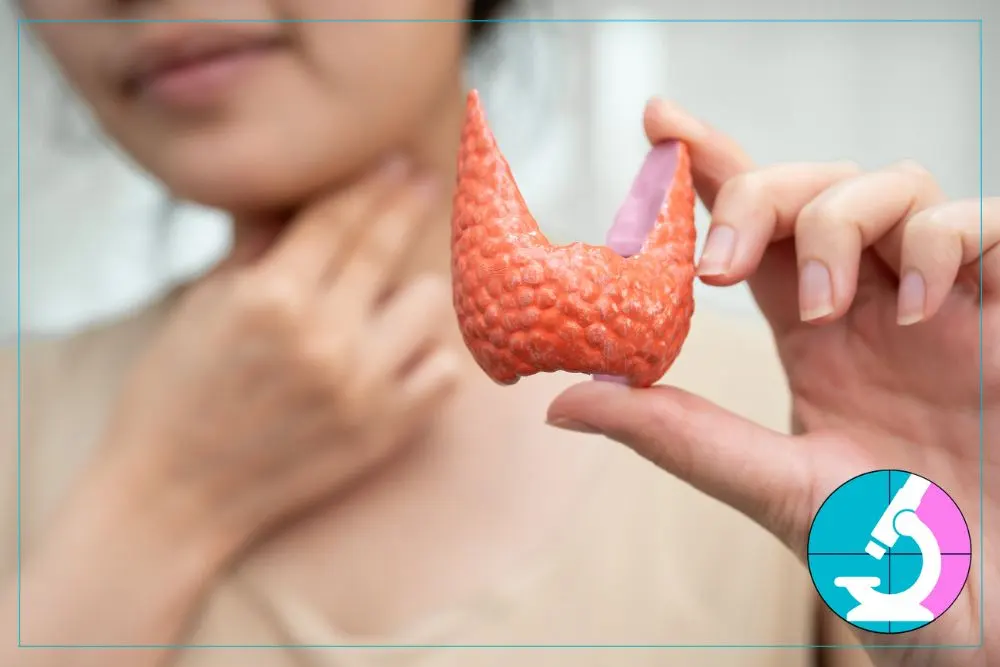
Contact an FNA Doctor During Thyroid Cancer Awareness Month
Most thyroid nodules are benign, and thyroid cancer is often highly treatable, particularly when it is identified early. Those are reassuring facts. They are also reasons not to let uncertainty keep you from having a concerning nodule evaluated.
If your doctor has recommended a thyroid biopsy, if you have received an unclear result, or if you have a thyroid nodule that has changed, getting an expert evaluation can provide clarity.
My goal is not to make patients afraid of thyroid nodules. It is to make the diagnostic process less frightening by helping patients understand what we are looking at, why a biopsy may or may not be needed, and what their results mean.
Patients travel to my Beverly Hills practice from throughout Southern California for ultrasound guided Fine Needle Aspiration and cytopathology evaluation. Next day appointments are often available, and house calls are available throughout California when appropriate.
This Thyroid Cancer Awareness Month, don’t wait on a nodule that needs answers. Contact Dr. Nadelman to schedule a consultation in Beverly Hills, with next-day appointments and house calls available throughout California.
FAQs
You should discuss a thyroid nodule with your physician if it is newly discovered, growing, causing symptoms, or has concerning ultrasound characteristics. Whether Fine Needle Aspiration is appropriate depends on the complete clinical picture rather than on a single finding.
Dr. Nadelman typically provides preliminary biopsy results within 24 hours. Because she performs the Fine Needle Aspiration and evaluates the specimen herself, the diagnostic process does not require the same handoffs between separate biopsy and pathology providers.
Many thyroid cancers are highly treatable, particularly when they are identified early and accurately classified. The appropriate treatment depends on the specific type of thyroid cancer and the individual patient’s findings.
Fine Needle Aspiration collects cells directly from a thyroid nodule for examination under a microscope by a cytopathologist. This provides information that imaging alone cannot provide and can help determine whether a nodule is benign, suspicious, malignant, or needs additional evaluation.
No. Most thyroid nodules are benign. A nodule may be monitored with ultrasound or evaluated with Fine Needle Aspiration depending on its appearance, size, changes over time, and your individual medical history.