
What Is a Thyroid Biopsy?
Being told you need a thyroid biopsy can bring up a lot of questions. What exactly is a thyroid biopsy? Does it mean your doctor thinks you have cancer? Will the procedure be painful? And what happens afterward?
These are all completely normal concerns.
The good news is that most thyroid nodules are benign, and a thyroid biopsy is simply a way to gather more information before deciding what, if anything, needs to happen next.
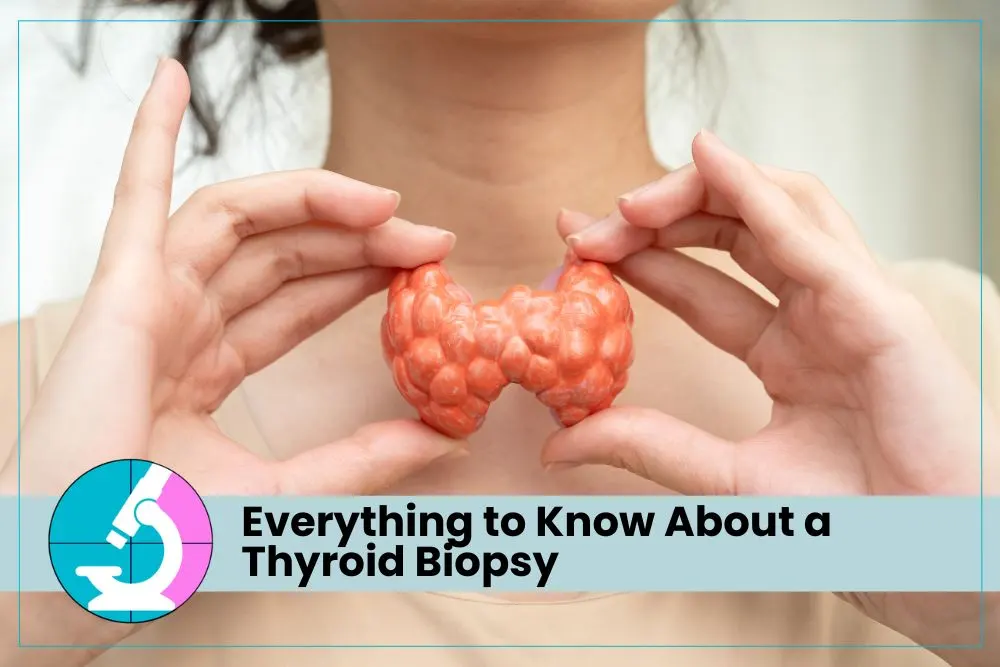
A thyroid biopsy is a diagnostic procedure used to evaluate thyroid nodules and determine whether they are benign or malignant. Learn how Dr. Nadelman approaches each case on our thyroid cancer and biopsy page.
As a board-certified cytopathologist and Fine Needle Aspiration specialist, my goal is to help patients receive accurate answers as quickly as possible. The biopsy itself is only one part of the process. Careful ultrasound evaluation, proper sampling, and expert interpretation all contribute to making the right diagnosis.
Understanding what happens before, during, and after a thyroid biopsy can help make the experience much less intimidating.
Why You Might Need a Thyroid Biopsy
Thyroid nodules are extremely common. Many are discovered during a routine physical examination, while others are found incidentally during imaging studies performed for unrelated reasons.
Most thyroid nodules never become cancerous. However, some nodules have characteristics that warrant closer examination.
Your physician may recommend a thyroid biopsy if an ultrasound shows features suggestive of malignancy or if the nodule reaches a size at which additional evaluation is appropriate.
Common Reasons for a Thyroid Biopsy
A thyroid biopsy may be recommended when:
- A thyroid nodule has suspicious ultrasound features
Characteristics such as irregular borders, microcalcifications, or increased blood flow may warrant further evaluation. - A thyroid nodule has grown over time
Significant growth may prompt your physician to obtain additional diagnostic information. - There is a personal or family history of thyroid cancer
Your overall medical history plays an important role in determining whether biopsy is appropriate. - Symptoms develop
Difficulty swallowing, persistent hoarseness, neck pressure, or a rapidly enlarging nodule may lead your physician to recommend further evaluation.
The decision to perform a biopsy is never based on one factor alone. Instead, your physician considers the ultrasound findings, your medical history, and your overall risk profile before making a recommendation.
Why Fine Needle Aspiration Is the Preferred Thyroid Biopsy
When people hear the word “biopsy,” they often imagine surgery or a large needle.
Fortunately, that is not how most thyroid biopsies are performed.
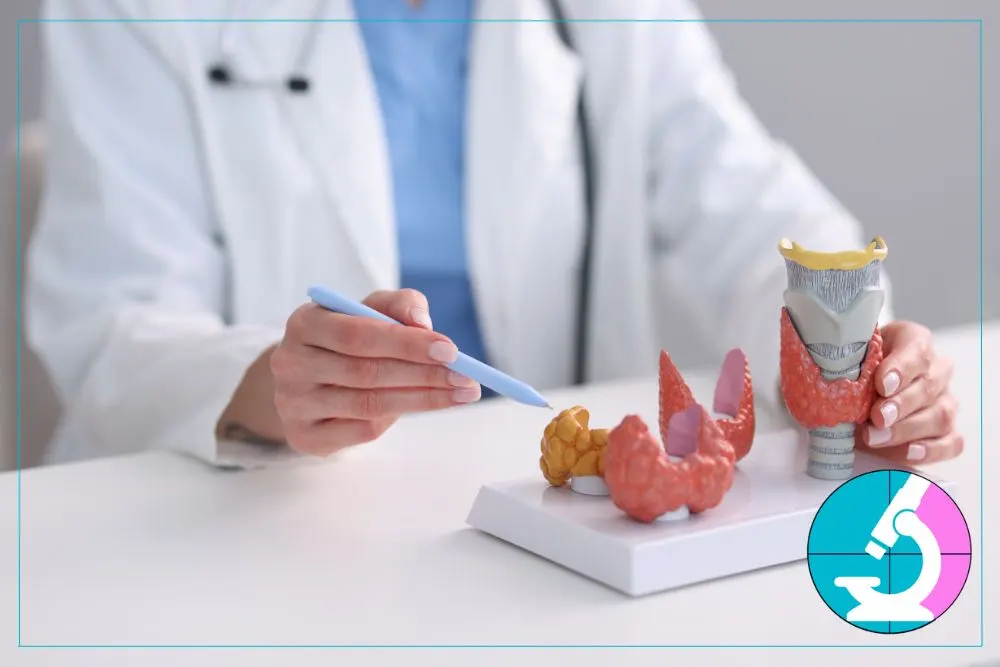
The most common and effective method is Fine Needle Aspiration (FNA), a minimally invasive procedure performed in the office. Our FNA biopsy page explains the full process in detail.
Fine Needle Aspiration uses a very thin needle to collect cells directly from a thyroid nodule. Those cells are then examined under a microscope by a cytopathologist to determine whether the nodule is benign, suspicious, or malignant.
Because only a small number of cells are collected, the procedure is typically quick, well tolerated, and requires little to no recovery time.
For most patients, Fine Needle Aspiration provides all of the diagnostic information needed without requiring surgery.
What Happens During a Thyroid Biopsy?
One of the biggest sources of anxiety for patients is simply not knowing what to expect.
The procedure itself is usually much easier than people imagine.
After reviewing your medical history and ultrasound images, I perform a detailed ultrasound examination of the thyroid to identify the most appropriate area for sampling.
Using real-time ultrasound guidance, I carefully insert a very thin needle into the thyroid nodule and collect several small samples of cells.
Most patients describe the sensation as similar to having blood drawn.
The biopsy usually takes only a few minutes, and most appointments are completed within a single office visit.
One of the advantages of my practice is that I perform Rapid On-Site Evaluation, also known as ROSE.
Rather than waiting days to discover whether enough cells were collected, I evaluate the specimen immediately while you are still in the office. If additional sampling is needed, I can perform it during the same appointment.
This approach helps reduce non-diagnostic results and minimizes the likelihood of repeat biopsies.
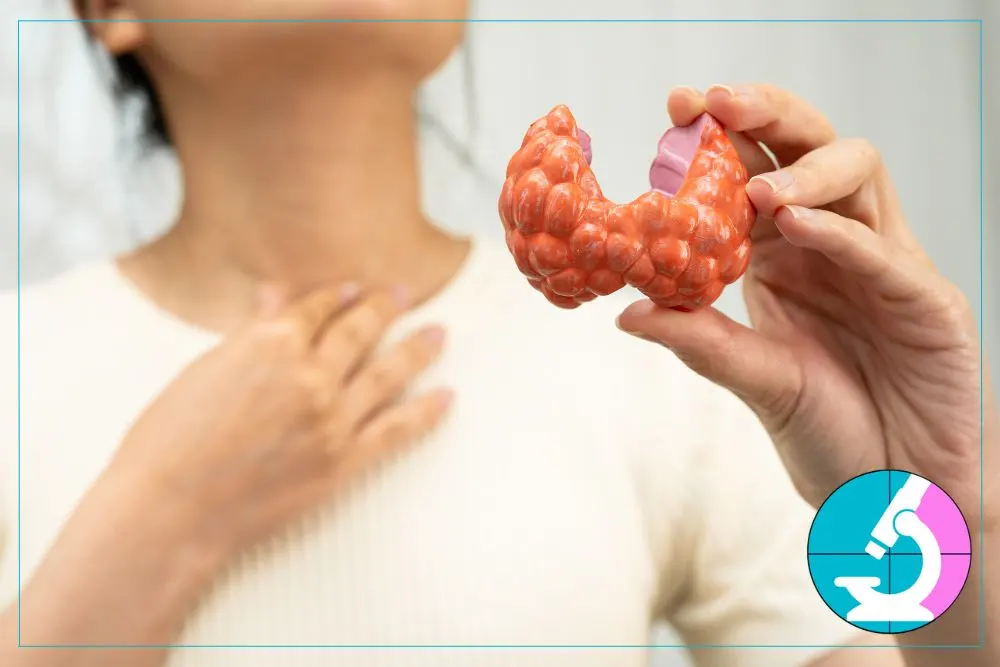
Understanding Your Thyroid Biopsy Results
After your biopsy is complete, the next step is understanding what the results mean. This is often the part of the process that causes the most anxiety because patients are waiting for answers.
Most thyroid biopsy results fall into one of several standardized categories established by the Bethesda System for Reporting Thyroid Cytopathology. This system helps physicians communicate clearly and determine the most appropriate next step.
The majority of thyroid biopsies are benign, meaning the nodule does not contain cancerous cells and can often be monitored with periodic ultrasound examinations.
Occasionally, a biopsy may identify cancer or findings that are suspicious for cancer. In other situations, the results may be classified as indeterminate or non-diagnostic, meaning additional information is needed before making treatment decisions.
One advantage of my practice is that I personally interpret every biopsy I perform.
Dr. Nadelman is one of very few physicians in the United States who serves as both the FNA specialist and the cytopathologist interpreting the results, offering patients a faster, more accurate diagnostic experience.
Because I am involved in every step of the process, I understand not only what the cells look like under the microscope, but also how they correlate with the ultrasound findings and the clinical picture. This integrated approach allows me to provide more individualized recommendations for each patient.
What Happens After a Thyroid Biopsy?
One of the questions I hear most often is, “What happens next?”
Fortunately, recovery from a Fine Needle Aspiration biopsy is usually very straightforward.
Most patients experience little more than mild tenderness at the biopsy site for a day or two and can drive themselves home and return to work or normal daily activities immediately after the procedure.
The next steps depend on the biopsy findings.
Possible Next Steps After Your Biopsy
- Routine monitoring
If the biopsy is benign, your physician may recommend periodic ultrasound examinations to monitor the nodule over time. - Additional testing
If the results are indeterminate, molecular testing or a repeat biopsy may provide additional information before treatment decisions are made. - Referral for surgery
If cancer is identified or strongly suspected, you may be referred to a thyroid surgeon to discuss treatment options. - Continued observation
Some nodules remain stable for years and simply require ongoing surveillance.
One of the advantages of thyroid cancer is that it is usually a slow-growing disease. In most situations, there is time to gather complete diagnostic information before deciding on surgery or other treatments.
This careful approach helps avoid unnecessary procedures while ensuring that patients who need treatment receive appropriate care.
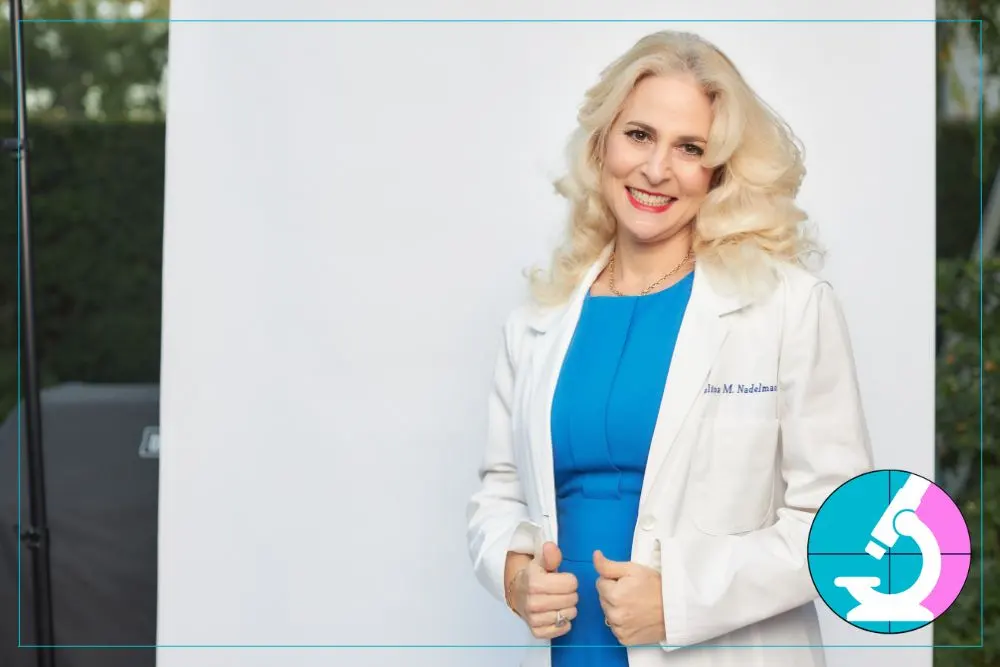
Choosing the Right Physician for Your Thyroid Biopsy
Not all thyroid biopsies are performed the same way.
The experience of the physician performing the biopsy, the quality of the ultrasound evaluation, and the expertise of the person interpreting the specimen all influence the accuracy of the diagnosis.
As both the physician performing your biopsy and the cytopathologist evaluating the specimen, I oversee every step of the process from beginning to end.
That means I personally review the ultrasound images, perform the biopsy under ultrasound guidance, evaluate specimen adequacy during the procedure using Rapid On-Site Evaluation (ROSE), and interpret the cells under the microscope.
This level of continuity helps reduce non-diagnostic results, minimize repeat procedures, and make preliminary biopsy results available within 24 hours in most cases.
My practice also welcomes patients from throughout Southern California, and many travel to Beverly Hills because they value receiving personalized care from one physician throughout the diagnostic process.
If you’re preparing for a thyroid biopsy, remember that asking questions is always appropriate. Understanding why the biopsy is being recommended and who will be performing and interpreting it can help you feel more confident about your care.
Have questions about what to expect before, during, or after a thyroid biopsy? Visit our FAQs page or download our free FNA eBook for a comprehensive overview.
Ready to Schedule Your Thyroid Biopsy?
Ready to schedule your thyroid biopsy? Contact Dr. Nadelman for a consultation in Beverly Hills, with next-day appointments and house calls available throughout California.
FAQs
Having the same physician perform your biopsy and interpret the results provides continuity throughout the diagnostic process. Dr. Nadelman’s dual role allows her to evaluate the specimen immediately using Rapid On-Site Evaluation (ROSE), confirm that adequate cells have been collected, and provide a more accurate and efficient diagnostic experience.
If a biopsy result is indeterminate or non-diagnostic, it does not automatically mean cancer is present. Depending on the findings, your physician may recommend a repeat Fine Needle Aspiration biopsy, molecular testing, or continued monitoring to gather additional information before making treatment decisions.
At Dr. Celina Nadelman’s practice, preliminary biopsy results are typically available within 24 hours. This faster turnaround helps reduce the anxiety that often comes with waiting for answers.
Most patients experience very little discomfort during a Fine Needle Aspiration biopsy. Because the procedure uses a very thin needle, many people compare it to having blood drawn. The biopsy is usually completed within a few minutes, and patients can return to normal activities immediately afterward.
No. Most thyroid nodules are benign, and many biopsies confirm that no cancer is present. A thyroid biopsy is performed to determine whether a nodule is benign or malignant so your physician can recommend the most appropriate next step.