
Understanding How Long it Takes to Get FNA Biopsy Results from an FNA Biopsy Doctor
When a patient undergoes a biopsy, one of the first questions that comes to mind is how long it will take to receive results. Waiting for medical answers can feel stressful, especially when the biopsy is being performed to evaluate a lump, thyroid nodule, or swollen lymph node.
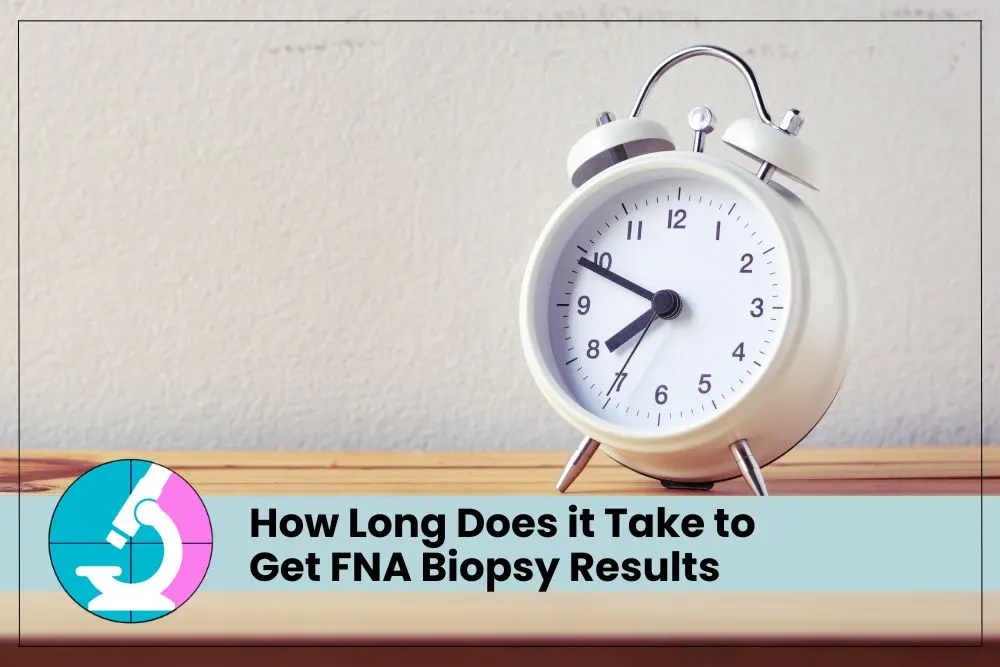
Many patients ask how long it takes to get FNA biopsy results, and understanding how an FNA Biopsy works can help clarify why results typically take a few days for pathology review.
Fine Needle Aspiration is a minimally invasive biopsy procedure used to evaluate suspicious lumps and nodules in the thyroid, breast, lymph nodes, neck and salivary glands. During the procedure, a thin needle is used to collect cells from the area of concern for examination under a microscope.
At many hospitals or diagnostic centers, patients may wait days or even weeks for biopsy results because samples must be processed through large pathology laboratories with heavy caseloads.
Dr. Celina Nadelman’s approach is different. As a board certified cytopathologist and FNA specialist, she performs ultrasound guided biopsies and personally evaluates the collected samples. In many cases, preliminary results are available within 24 hours, helping patients and referring physicians move forward with decisions sooner.
For more information about how the procedure works, visit Dr. Nadelman’s page about Fine Needle Aspiration FNA biopsy.
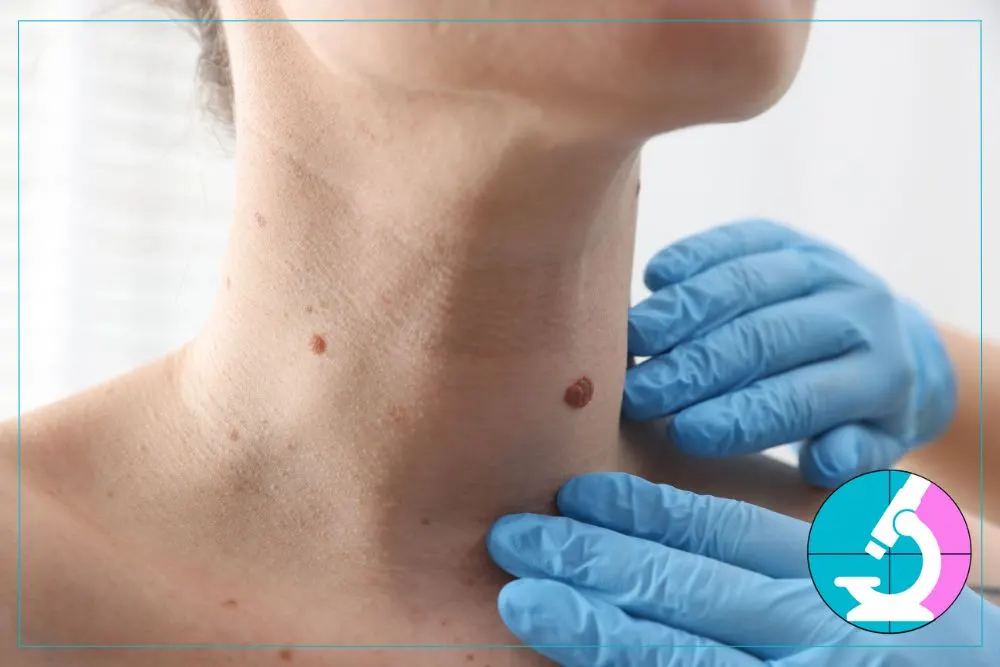
How Long Does it Take to Get FNA Biopsy Results After a Thyroid Nodule Biopsy
The timeline for receiving biopsy results can vary depending on the type of tissue being evaluated and the laboratory’s pathology process.
In many traditional hospital settings, biopsy samples are sent to large pathology laboratories, where they are processed alongside thousands of other cases. While these labs perform careful analysis, the volume of specimens can delay the return of results to the physician.
Several steps occur after a biopsy is performed:
- Cell sample preparation
After the biopsy, the collected cells are placed onto slides and preserved so the cellular structures remain intact for examination. - Laboratory processing
The pathology laboratory stains and prepares the slides so that the cell structures can be clearly seen under a microscope. - Pathologist evaluation
A trained pathologist examines cellular patterns and determines whether the findings indicate benign tissue, suspicious changes, or cancer. - Report preparation
The final report is sent to the referring doctor, or the doctor who is treating the patient. Sometimes the FNA is performed by radiologists, who have no relationship with the patient beyond performing the biopsy.
Although these steps require careful review, specialized practices can often move the process along more efficiently.
Why a Thyroid Nodule Biopsy Is a Common FNA Procedure
Fine Needle Aspiration is frequently used to evaluate thyroid nodules, which are lumps that develop within the thyroid gland. These nodules are often discovered during routine medical exams or imaging studies.
A thyroid nodule biopsy is one of the most common types of fine needle aspiration procedures used to evaluate nodules and determine whether further testing, monitoring or surgery is needed.
Most thyroid nodules are benign, but biopsy allows physicians to evaluate the cells more closely to rule out cancer and determine whether monitoring or treatment is necessary.
Some common reasons a physician may recommend a thyroid nodule biopsy include:
- Evaluation of suspicious nodules
Ultrasound imaging may reveal characteristics that suggest a nodule should be sampled for further evaluation. - Monitoring nodules that change over time
Nodules that grow or change in appearance may require a biopsy to determine whether cellular changes have occurred. - Clarifying uncertain imaging findings
When ultrasound imaging does not provide clear answers, Fine Needle Aspiration can help provide diagnostic clarity.
Patients who want to learn more about thyroid conditions can explore Dr. Nadelman’s page about thyroid cancer evaluation.
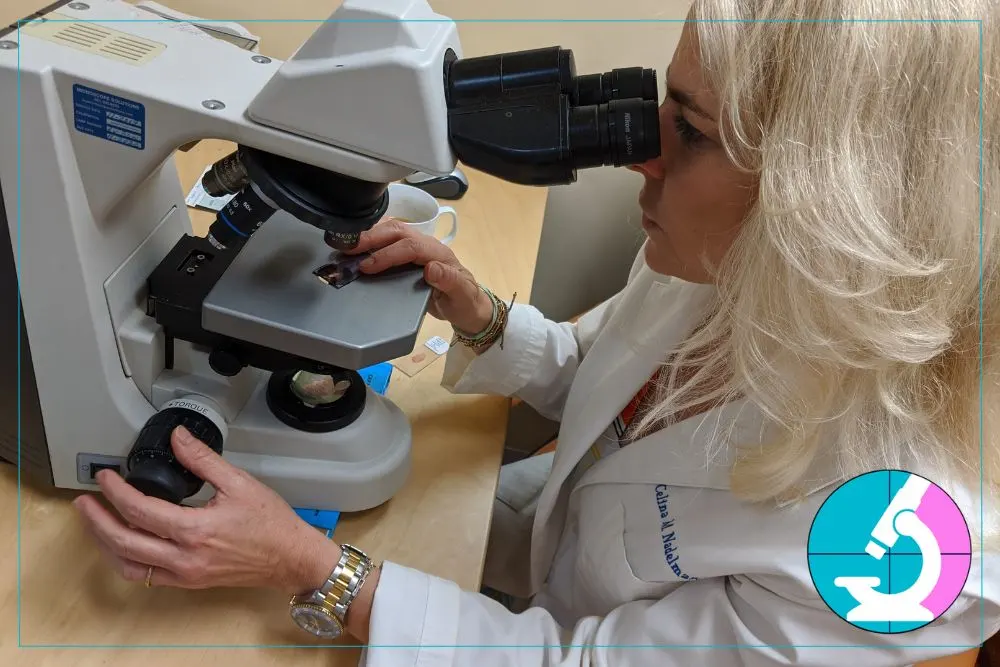
What Happens After an FNA Biopsy While Waiting for Results
Once the biopsy is complete, most patients can return to normal daily activities very quickly. The procedure usually causes minimal discomfort and rarely requires recovery time.
The next step is to evaluate the collected cells. In hospital and office settings, biopsy samples are sent to pathology laboratories for processing.
At Dr. Celina Nadelman’s practice, the diagnostic process is more streamlined, as all the processes are provided under one roof. This one-stop-shop approach is designed to provide answers more efficiently while maintaining careful evaluation.
Her biopsy process typically includes several important steps:
- Conversations with patients
Dr. Nadelman not only reviews the patient’s previous imaging results (if they are provided), but she also performs a focused history and physical, which helps with the diagnostic procedure. - Ultrasound guided imaging
High resolution ultrasound technology is used to identify the suspicious area and guide the needle precisely to the correct location. - Fine Needle Aspiration biopsy
A thin, sterile needle is inserted into the lump or nodule to extract a small sample of cells for examination, mostly without suction (aspiration is reserved for specific types of lesions, eg. cystic nodules). - Immediate rapid on-site evaluation (ROSE)
Dr. Nadelman reviews the sample during the procedure to confirm not only that adequate cells have been collected but also to confirm the type of cells, in case ancillary tests would be needed for accurate analysis. - Laboratory analysis and diagnosis
The collected cells undergo proper laboratory processing. Once prepared, a detailed cytologic evaluation is performed, and preliminary results are typically available within 24 hours.
This approach helps reduce uncertainty and allows patients to receive information about their condition much sooner.
Conditions an FNA Biopsy Doctor May Evaluate with Fine Needle Aspiration
Fine Needle Aspiration can be used to evaluate many types of lumps and masses throughout the body. Because the procedure is minimally invasive, it is often the preferred first step when investigating suspicious areas.
Common conditions evaluated with FNA biopsy include:
- Thyroid nodules
Thyroid nodules are one of the most frequent reasons patients undergo FNA biopsy. The procedure helps determine whether the nodule is benign or requires additional evaluation. - Breast lumps
Fine needle aspiration can also be used in breast evaluations, helping physicians determine whether a lump may require additional imaging, monitoring, or treatment. More information can be found on the page about breast cancer and fine needle aspiration. - Swollen lymph nodes
Enlarged lymph nodes may result from infection, inflammation, or malignancy. FNA biopsy can help physicians determine the underlying cause. Learn more about this condition on the page discussing swollen lymph nodes. - Salivary gland nodules
Lumps in the salivary glands, which are located near the jaw and beneath the ears, may require evaluation to determine whether the cause is a benign growth, inflammation, or a tumor. Fine Needle Aspiration allows physicians to collect cells from these nodules quickly and safely, helping guide the next step in diagnosis or treatment without requiring immediate surgery.
Because the procedure collects only a small number of cells, it is often faster and less invasive than other biopsy techniques, such as a core needle biopsy.
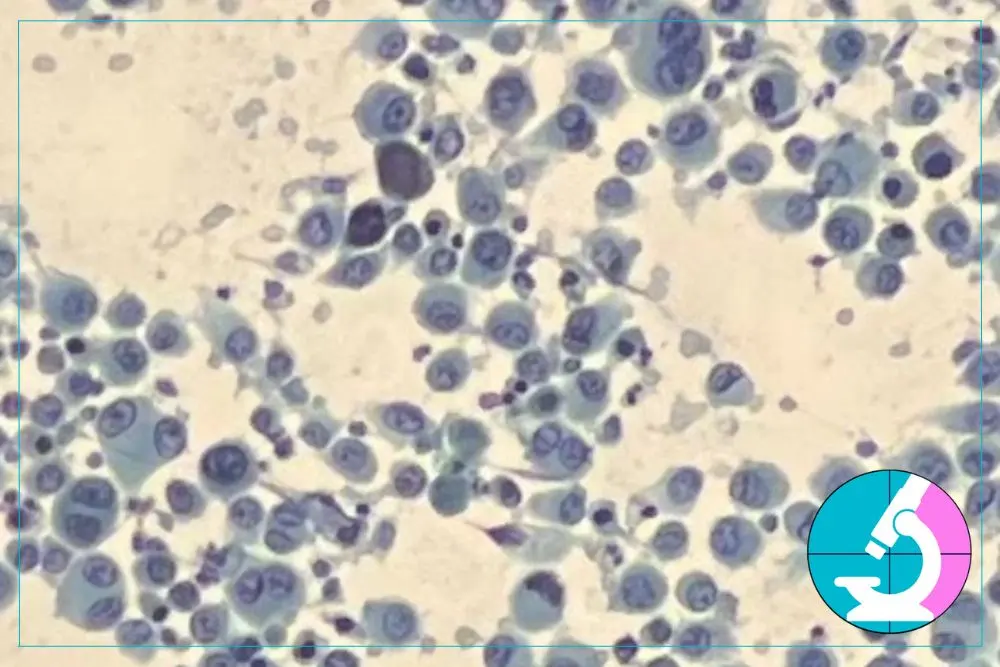
Why Many Patients Seek an Experienced Biopsy Doctor in Los Angeles
Patients throughout Southern California often travel to specialists who specialize in diagnostic biopsy procedures. Fine Needle Aspiration requires precise ultrasound guidance, careful sampling technique, and experience interpreting cellular findings.
Many hospitals and diagnostic centers have long wait times for biopsy appointments. In some cases, patients may wait weeks or even months before they can schedule a biopsy and receive results.
When a suspicious lump or thyroid nodule is discovered, waiting can create significant anxiety.
Dr. Celina Nadelman’s Beverly Hills practice focuses on providing prompt access to biopsy evaluation. Patients from across Los Angeles, Orange County, and surrounding communities frequently travel to her office because appointments are often available the same or next day.
Instead of waiting weeks for answers, patients often receive preliminary biopsy results within 24-48 hours, allowing them and their physicians to make informed decisions sooner.
Patients who would like to learn more about Dr. Nadelman’s experience can visit her About Dr. Nadelman page.
Contact an FNA Thyroid Doctor for Biopsy Evaluation
Waiting for biopsy results can feel stressful, but working with an experienced FNA biopsy doctor can help ensure the process is handled efficiently and accurately. If you have questions about your biopsy or need expert evaluation of a thyroid nodule or lump, schedule a consultation with Dr. Celina Nadelman today.
FAQs
Yes. Enlarged lymph nodes can be evaluated with Fine Needle Aspiration to determine whether infection, inflammation, or cancer may be present.
No. Many thyroid nodules are monitored with ultrasound imaging rather than biopsied. A biopsy is usually recommended when nodules reach certain size criteria or show suspicious features.
Yes. Fine Needle Aspiration typically requires less tissue removal and allows for quicker recovery and faster laboratory preparation compared to a core needle biopsy.
After a biopsy is performed, the collected cells must be preserved, stained, and examined under a microscope by a pathologist. This careful review ensures the diagnosis is accurate.
In many medical centers, biopsy results may take several days or longer, depending on the pathology laboratory. At Dr. Celina Nadelman’s practice, preliminary results are typically available within 24-48 hours.